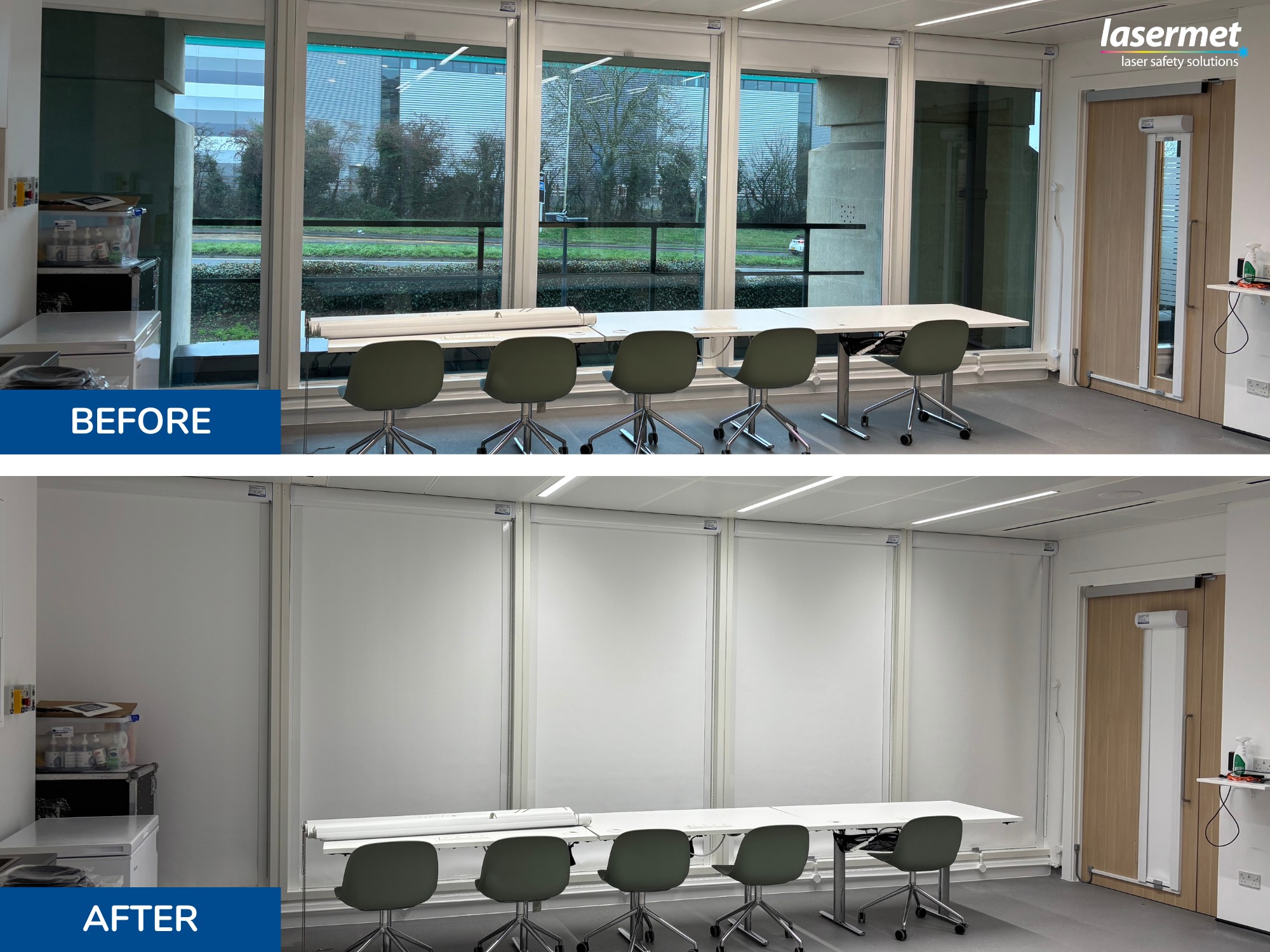
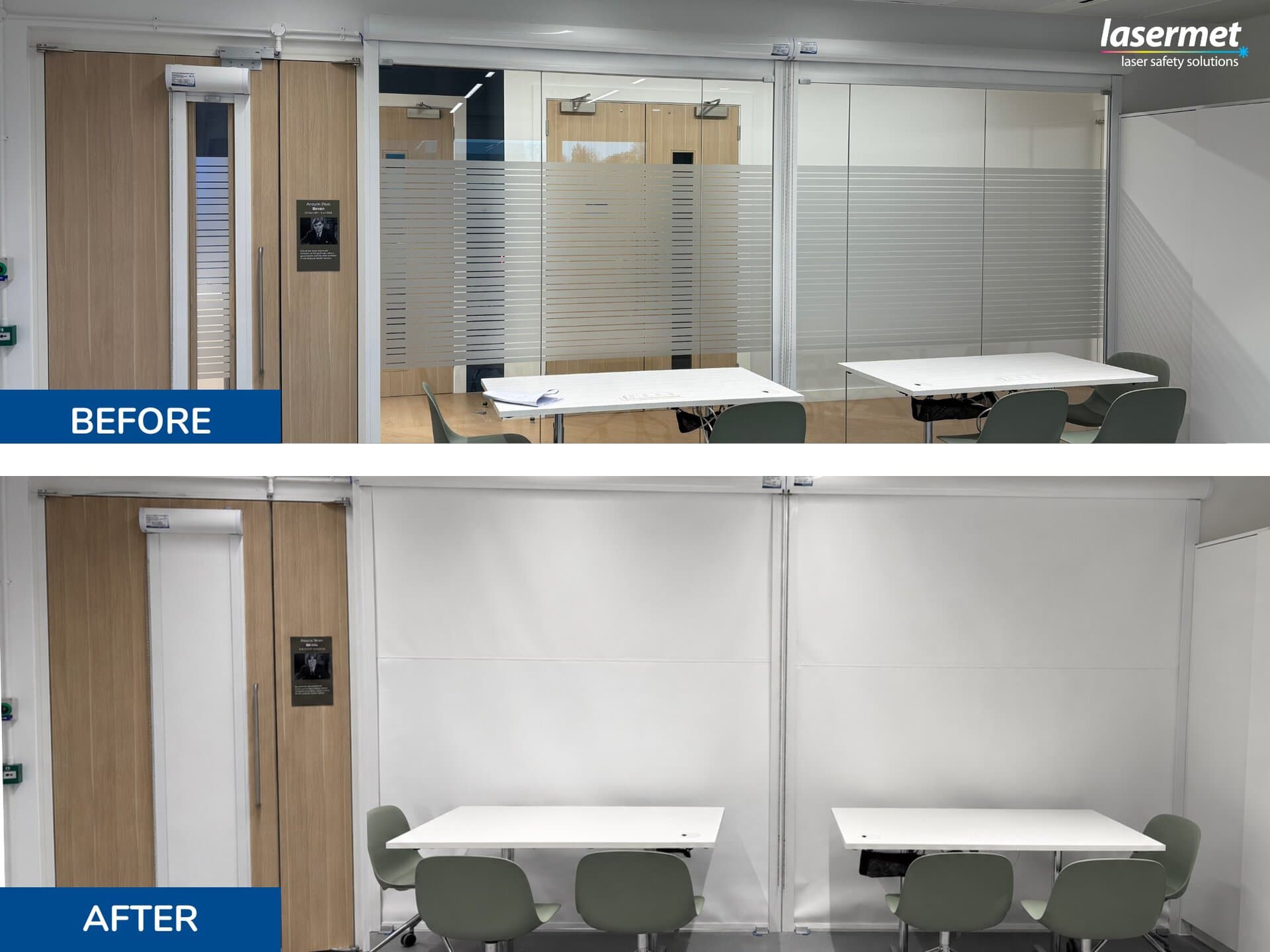
Laser Blocking Roller Blinds
Protection from Stray Laser Radiation
Most Class 4 and many Class 3B lasers present an eye hazard over very long distances. Ordinary blinds are rarely capable of stopping a laser beam, so specially designed laser blocking blinds are required.
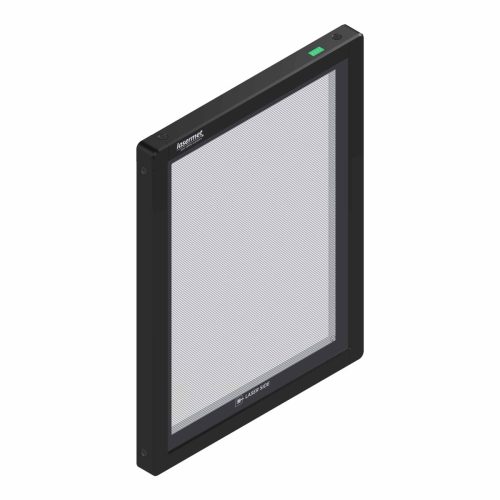
Our laser safe blinds are made using Lasermet’s specially developed laser blocking Orca material, which is certified to BS EN IEC 60825-4 Safety of Laser Products – Part 4: Laser Guards.
Description
Encapsulated Laser Blocking Roller Blinds
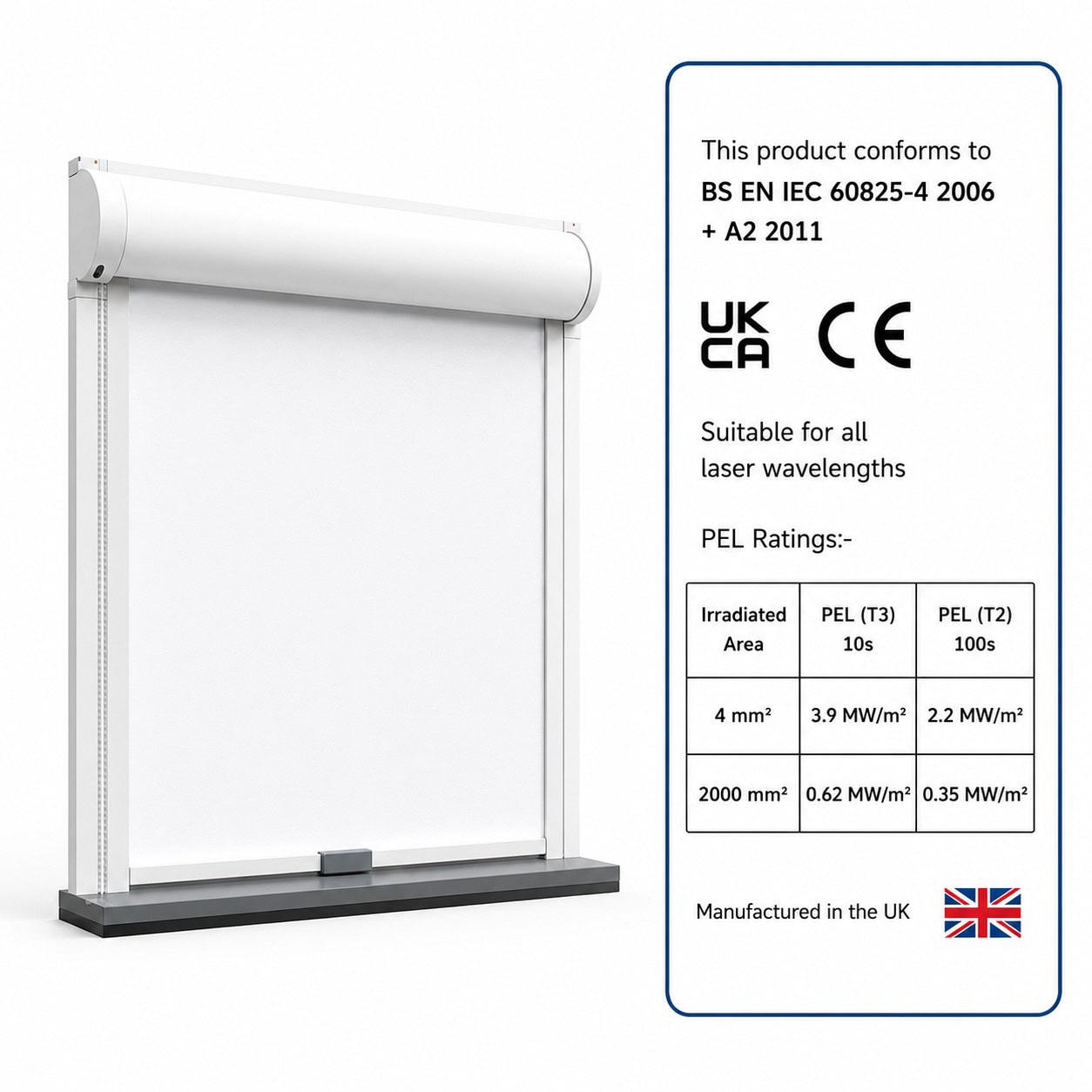
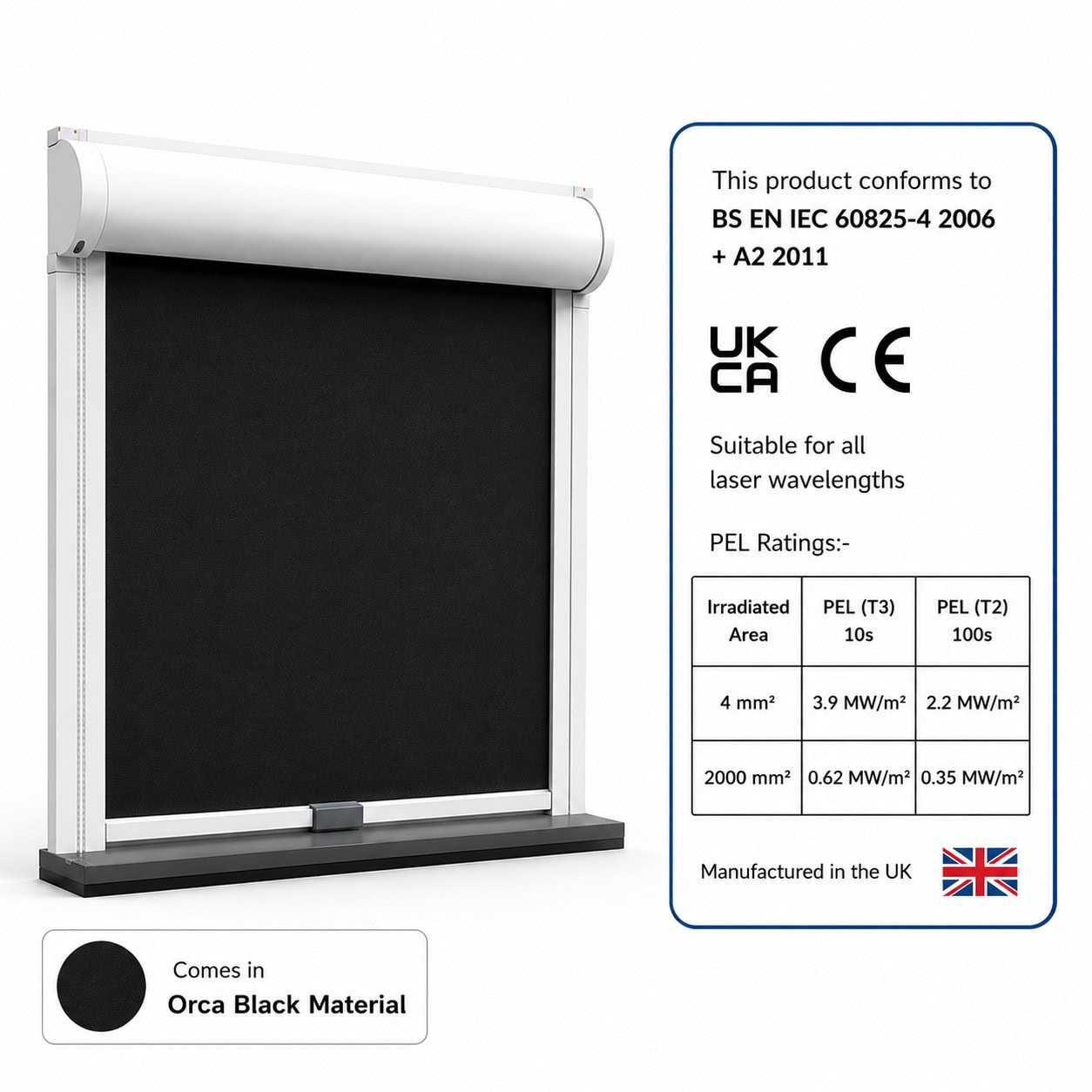
Encapsulated laser safety roller blinds are made using Lasermet’s specially developed laser blocking Orca material, which is CE and UKCA marked and certified to BS EN IEC 60825-4 Safety of Laser Products Part 4: Laser Guards.
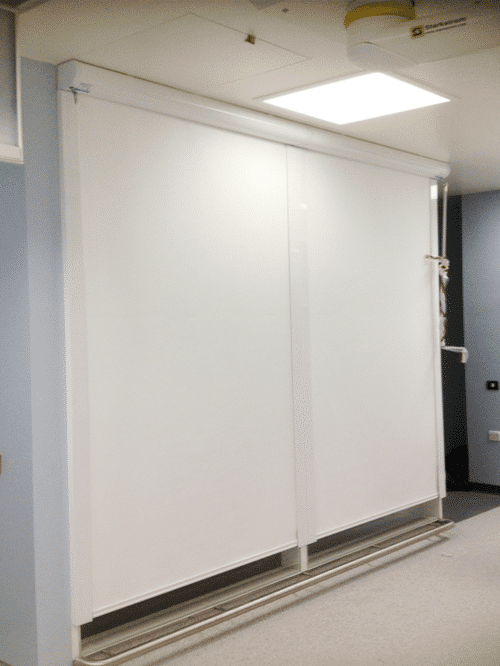
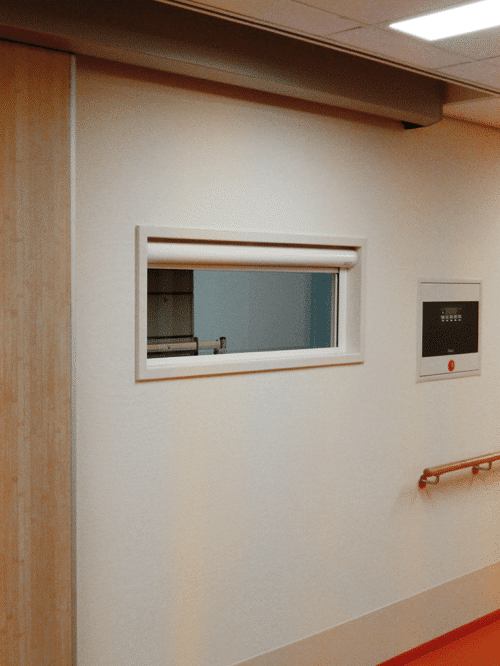
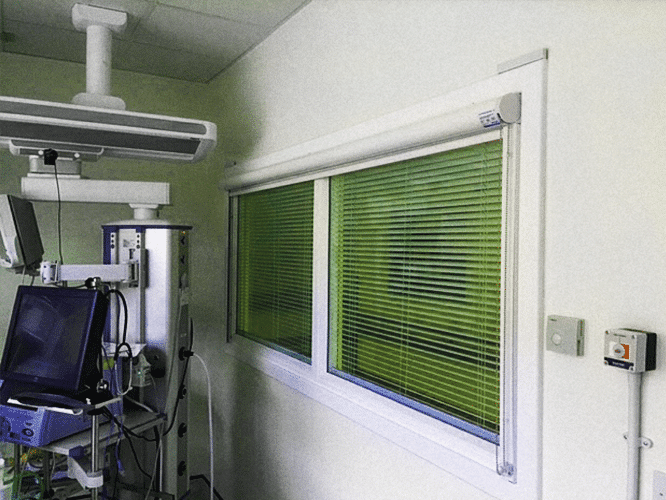
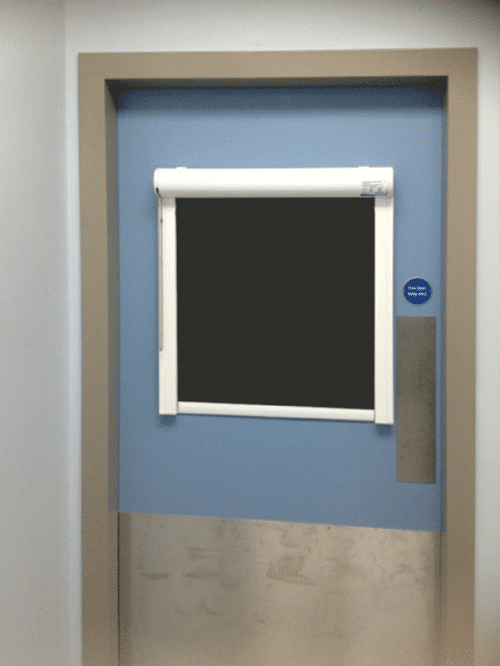
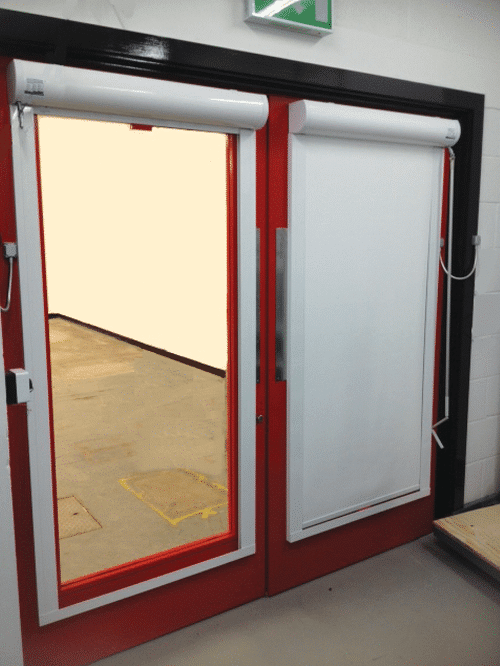
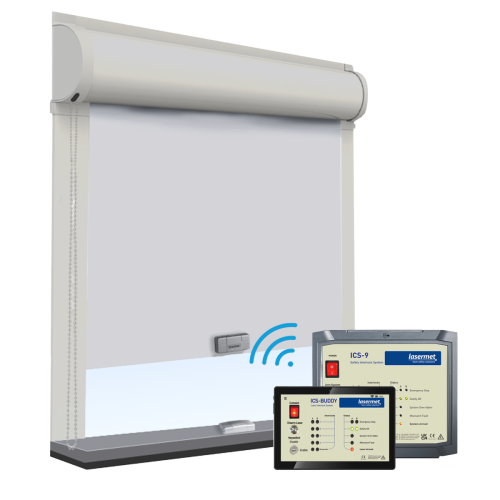
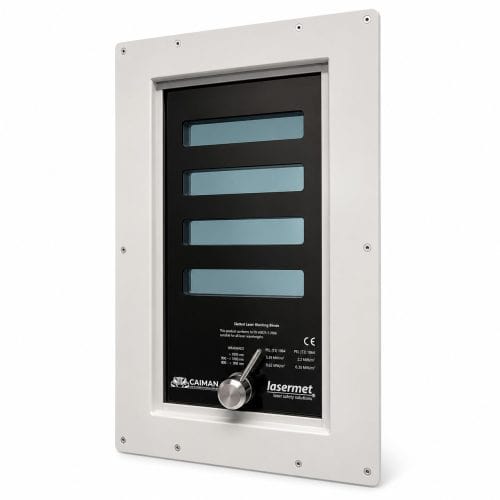
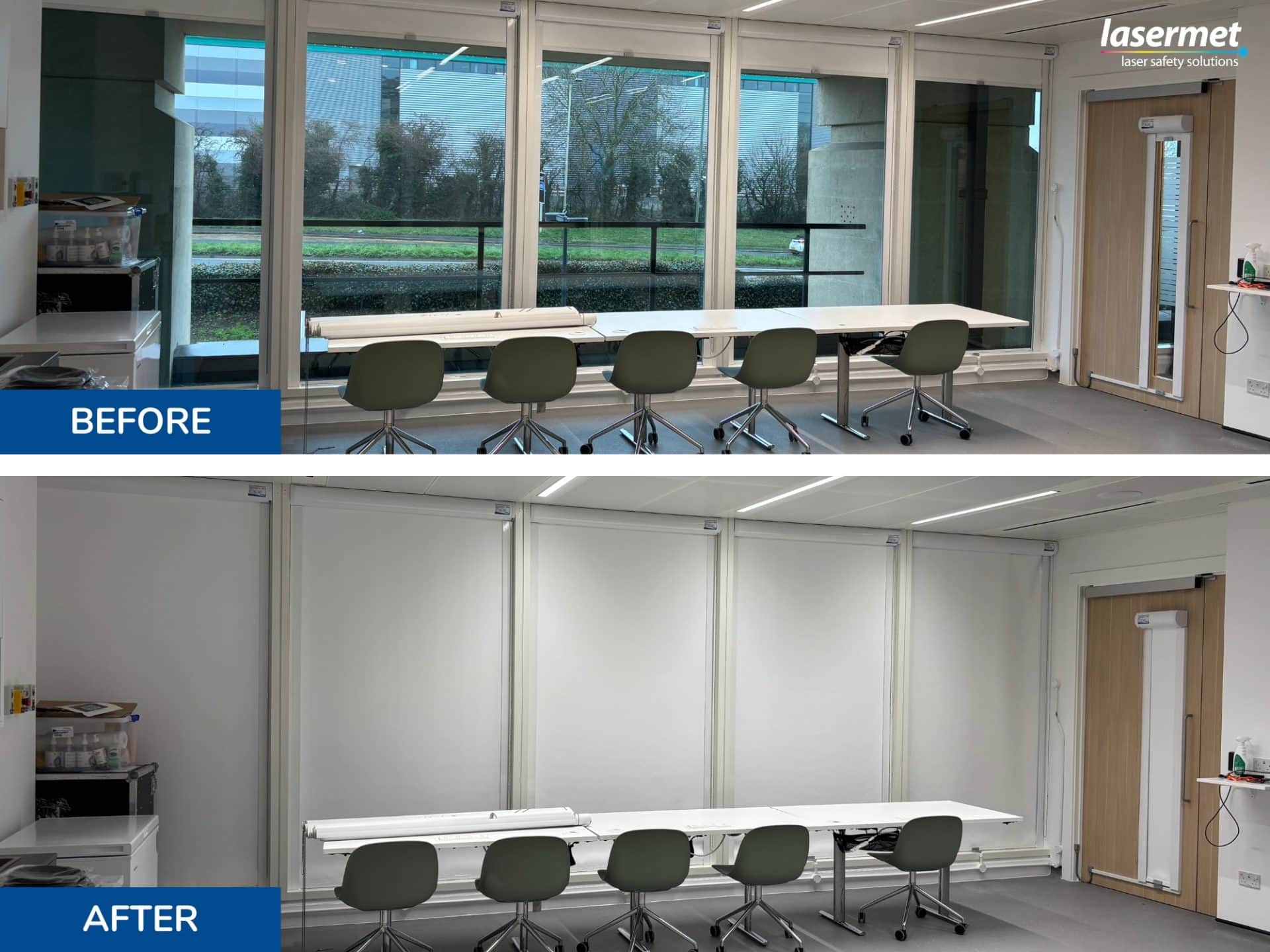
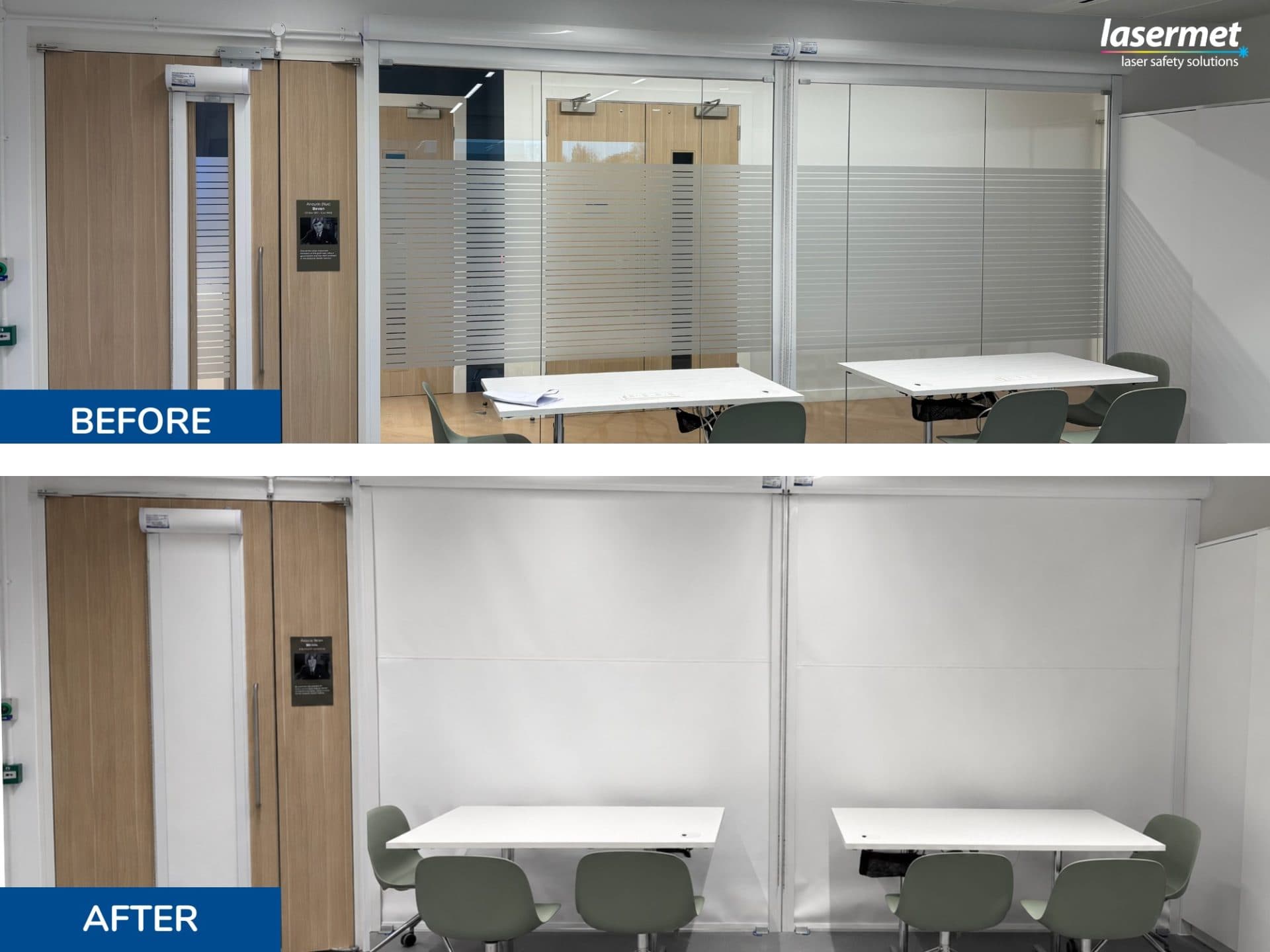
Lasermet Roller Blinds are built into a white finish aluminium frame, which encapsulates the top, both edges and bottom of the blind. This eliminates any possibility of laser beams passing around the sides of the blind, blocks out all direct light, and provides a neat finish.
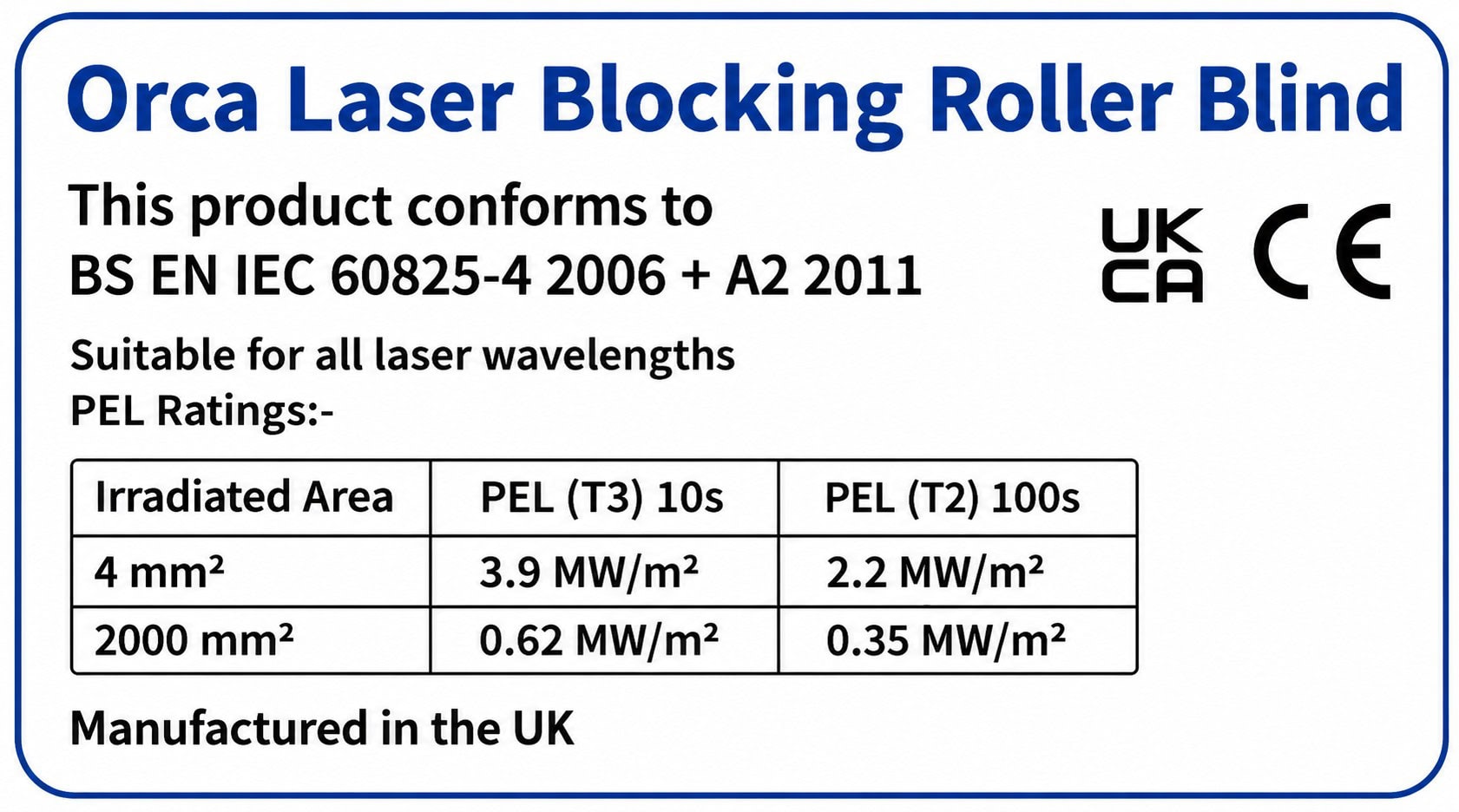
It is vital that Roller Blinds are certified and the material has been tested to the relevant laser safety standards. If non-compliant material were to be used – for example untested, uncertified sun blocking material — this may have the potential to allow laser beams to penetrate the blind and cause harm to personnel and equipment.
Lasermet’s Laser Blocking Roller Blinds are designed as a passive guarding system to block laser light from escaping the theatre, laboratory, or laser facility where Class 3B or Class 4 lasers are in use, either to protect against accidental exposure to the laser beam or for long-term blocking of laser radiation at lower power densities.
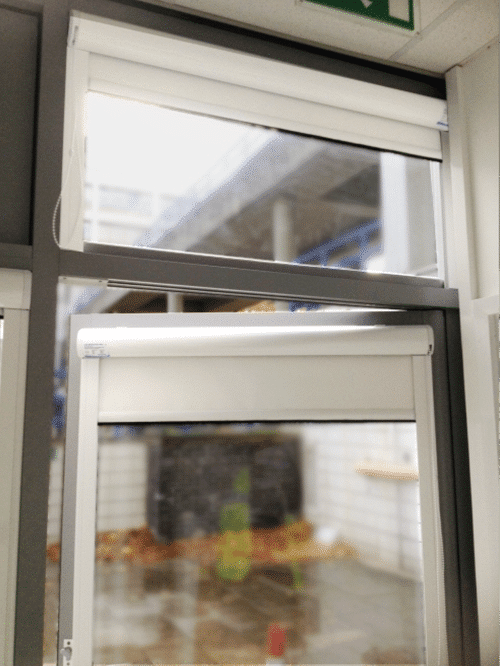
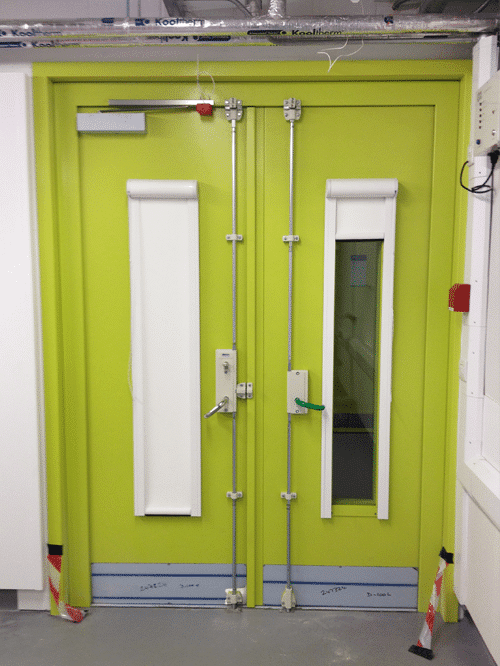
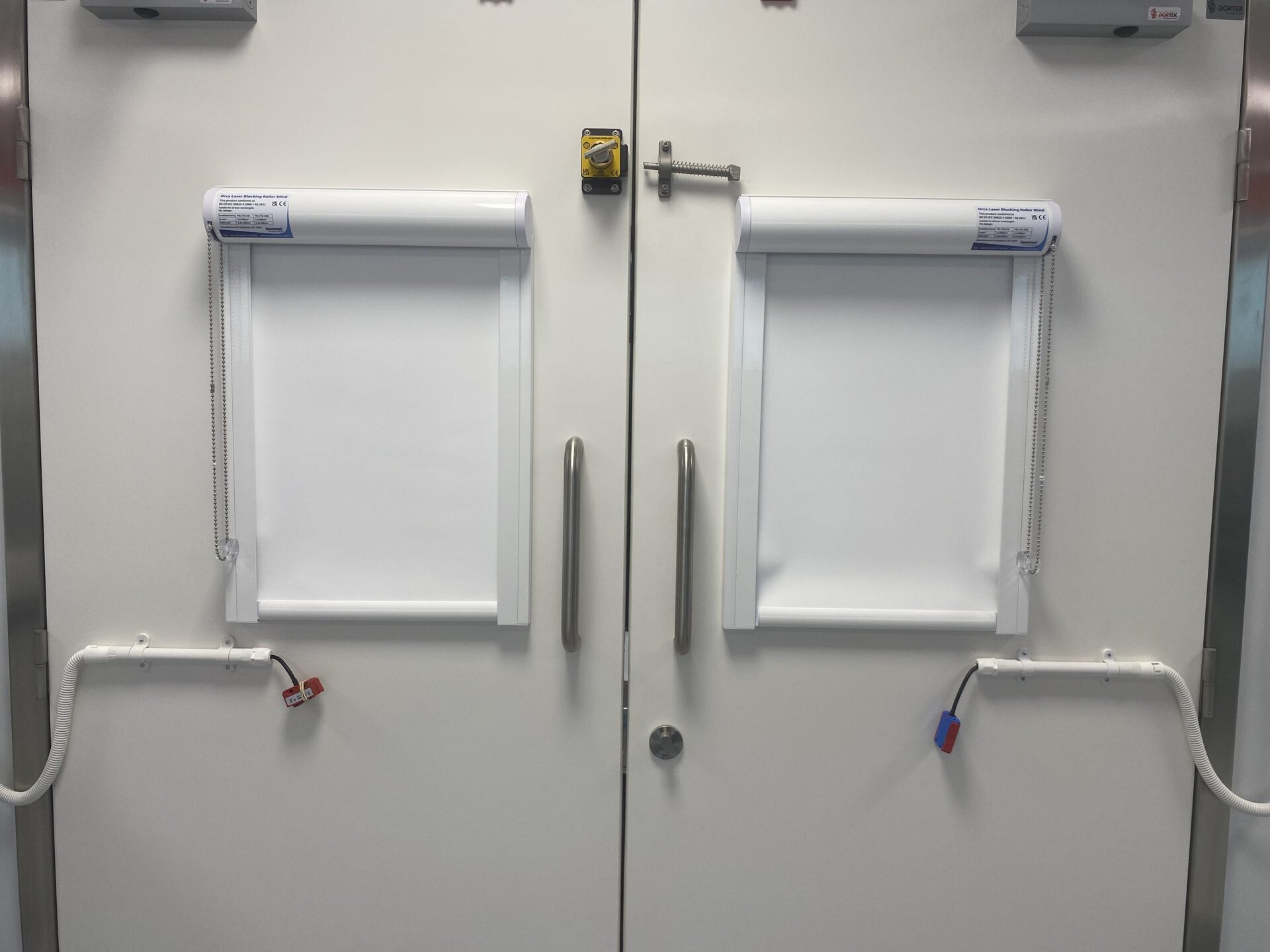
The blinds are fitted to cover windows and to doors where there is a window built into the door, and Lasermet have several options to suit any application.
Motorised Laser Safe Blinds
For applications requiring greater convenience and seamless integration with laser safety systems, the blinds are also available in a motorised version.
This allows the blinds to be raised or lowered automatically, reducing manual operation while supporting controlled access to the laser-controlled area.
Orca vs. Wolf Material Comparison
You can select between the Orca and Wolf material for your laser blinds:
ORCA MATERIAL
- Ideal for hospitals, cleanrooms, and medical environments
- High specification (Class 3B and Class 4 Lasers)
- Heavy duty curtains
- Easy to clean
- Comes in black, white, and black/white colourways
- Conforms to BS EN IEC 60825-4
Protection times given by the material at various power densities are shown in the table below.
| Irradiated Area | PEL (T3) 10s | PEL (T2) 100s |
| 4 mm² | 3.9 MW/m² | 2.2 MW/m² |
| 2000 mm² | 0.62 MW/m² | 0.35 MW/m² |
WOLF MATERIAL
- Ideal for laboratory and industrial environments
- Lower specification (Class 3B Lasers)
- Blackout curtains
- Cost-effective
- Comes in a grey colourway
- Conforms to BS EN IEC 60825-4
The Wolf Laser Blocking material has a lower PEL rating but is still sufficient up to certain limits.
| Irradiated Area | PEL (T3) 10s | PEL (T2) 100s |
| 4 mm² | 248 kW/m² | 140 kW/m² |
| 2000 mm² | 124 kW/m² | 70 kW/m² |
Interlock® Controls
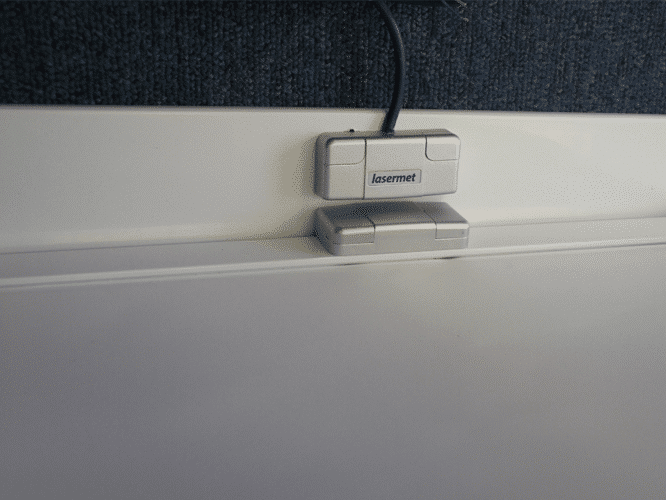
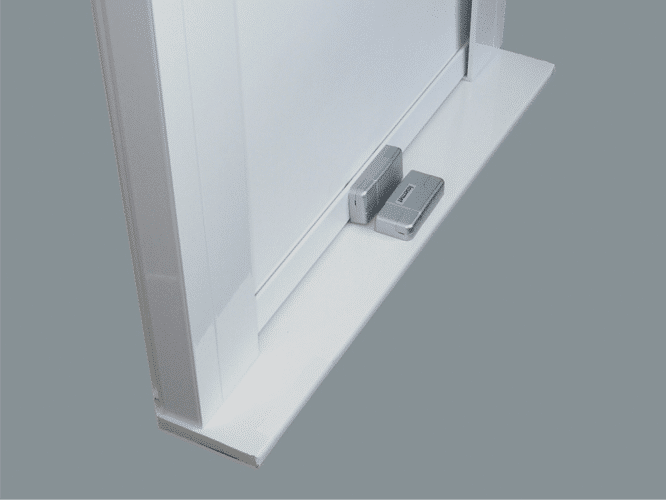
Lasermet Roller Blinds can be fitted with an IS-MDC-12 Dual-channel Interlock® Switch for easy integration into a laser safety interlock system.
The Interlock® System will prevent the arming of the laser when the roller blinds are open. The roller blinds must be closed before arming the system to prevent any laser radiation from escaping through the windows.
Manual Controls
Lasermet’s Roller Blinds offer several manual operation modes including chain-operated, crank handle, and motorised options.
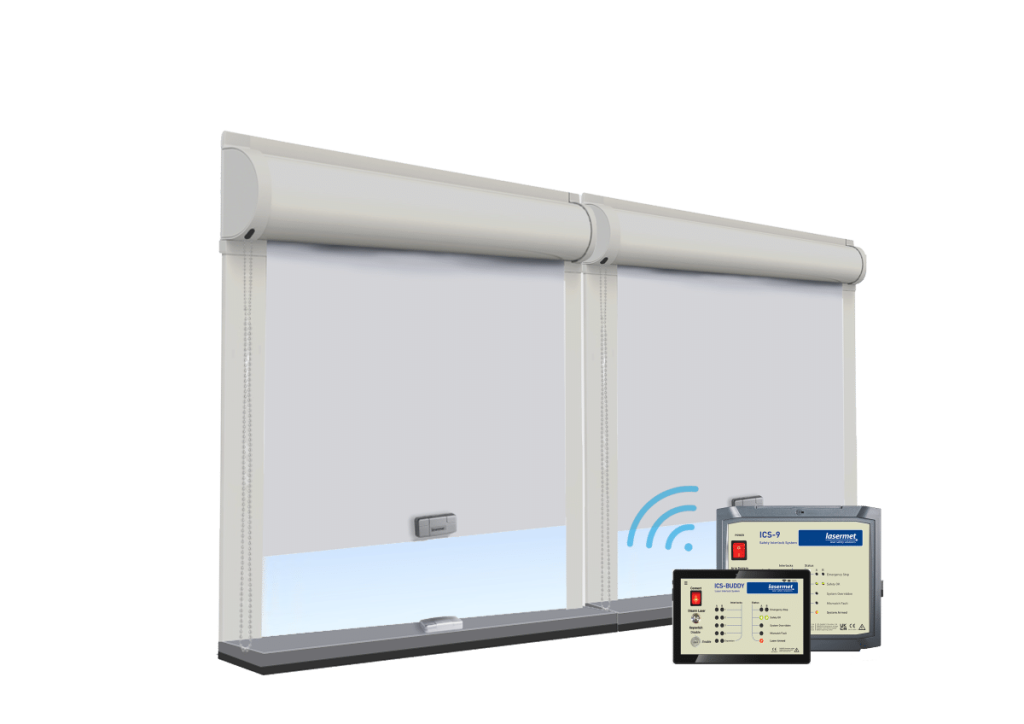
ICS-RBX Wireless Roller Blind Controller
For remote and wireless control of Lasermet’s Laser Blocking Roller Blinds, check out the ICS-RBX Controller.
Laser Safety for Clinics, Dentists, and Medical Environments
Most Class 4 and many Class 3B lasers present an eye hazard over very long distances and it is therefore imperative to have comprehensive laser safety protection in place wherever they are present.
Laser radiation must be prevented from escaping through the windows of laboratories and production facilities. Ordinary curtains or screens are rarely capable of stopping a laser beam and specially designed blocking products are required.
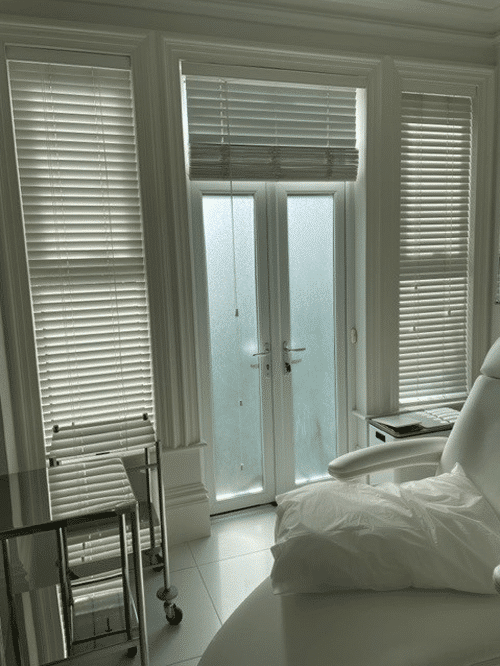
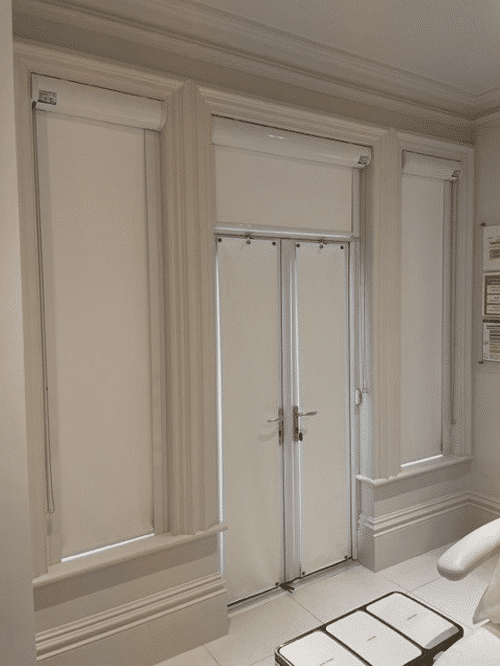
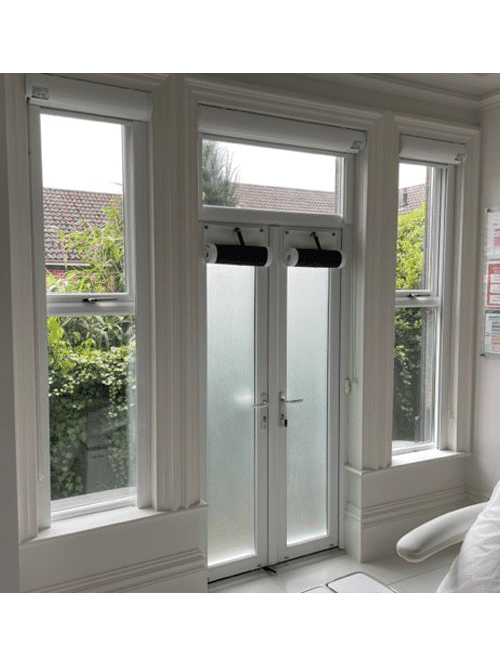
Adopting Best Practice in Laser Safety
In the UK, the National Health Service (NHS) has issued a Best Practice Guidance Document HBN 26 “ which provides guidance on facilities for in-patient operating theatres in acute general hospitals.
… All doors should be fitted with vision panels
Facilities for Surgical Procedures Vol 1. Paragraph 4.79
capable of being obscured, and have laser-proof blinds…
“Where lasers are to be used in an operating theatre, safety precautions in accordance with BS EN 60825 should be employed…”
Use of Lasers in the Operating Theatre. Paragraph 7.120