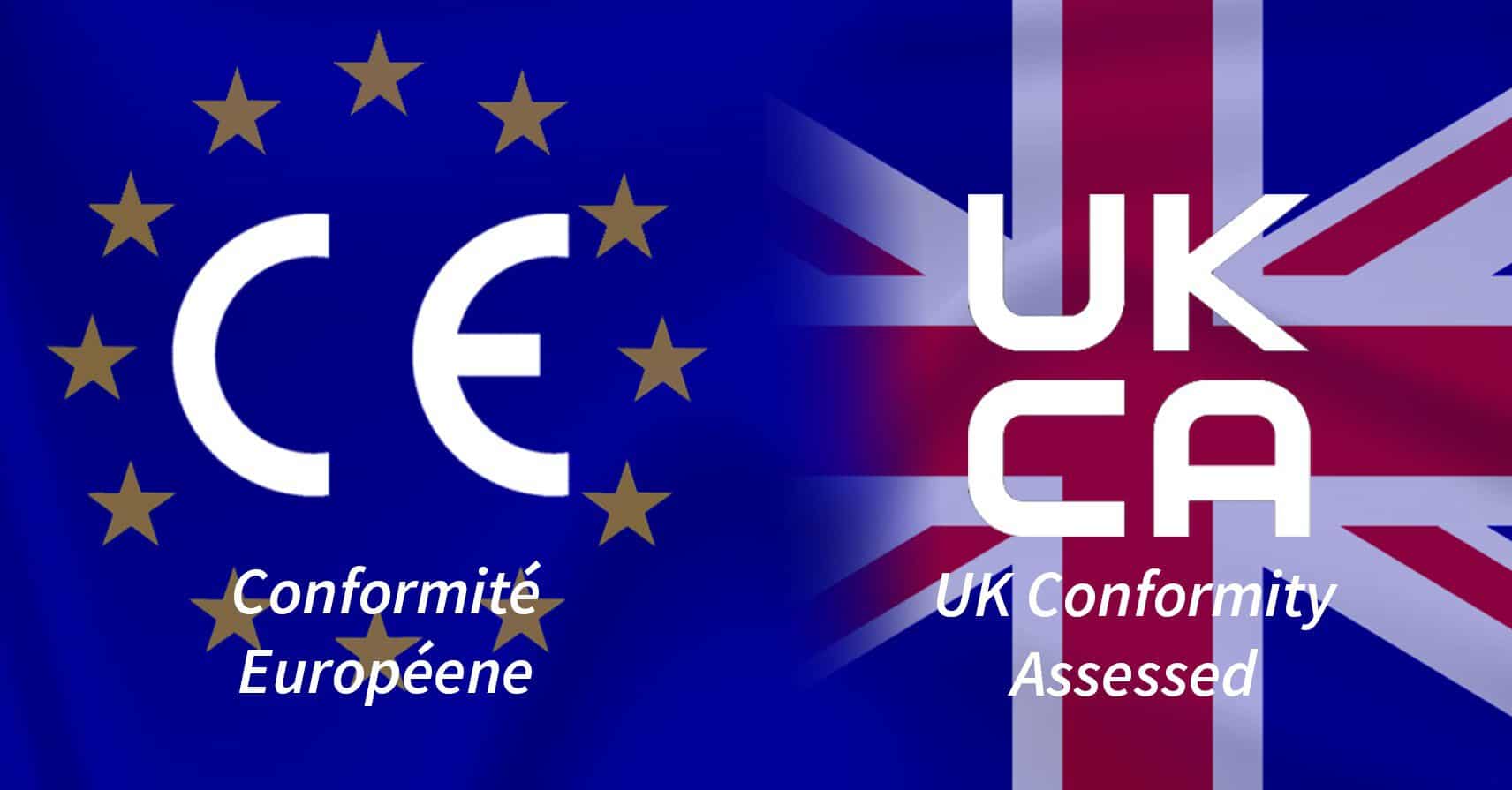
Standards and Directives are a set of technical and regulatory requirements that manufacturers must follow when creating a product. These define essential safety and performance criteria to ensure that products placed on the market are safe for users and fit for their intended purpose.
The CE marking and UKCA marking serve as formal declarations that a product complies with the applicable regulatory requirements in their respective markets. When a product bears these markings, it signifies that the manufacturer has conducted the necessary conformity assessment procedures and prepared the required technical documentation.
CE (Conformité Européene) Marking

CE marking is used for products placed on the market within the European Union (EU) and, in some cases, the European Economic Area (EEA). It signifies that a product complies with relevant EU directives, regulations, standards, and safety requirements.
It is required for products sold in the European Union (EU) and European Economic Area (EEA) and demonstrates conformity with EU legislation. When a product has CE marking, it can legally be sold throughout the EU and EEA countries, covering both the 27 EU states and the 3 EEA non-EU countries.
Before you can affix the CE marking to your products you must:
Once your product bears the CE marking, you can make it available on the EU market and the competent national authority may carry out compliance checks.
UKCA (UK Conformity Assessed) Marking
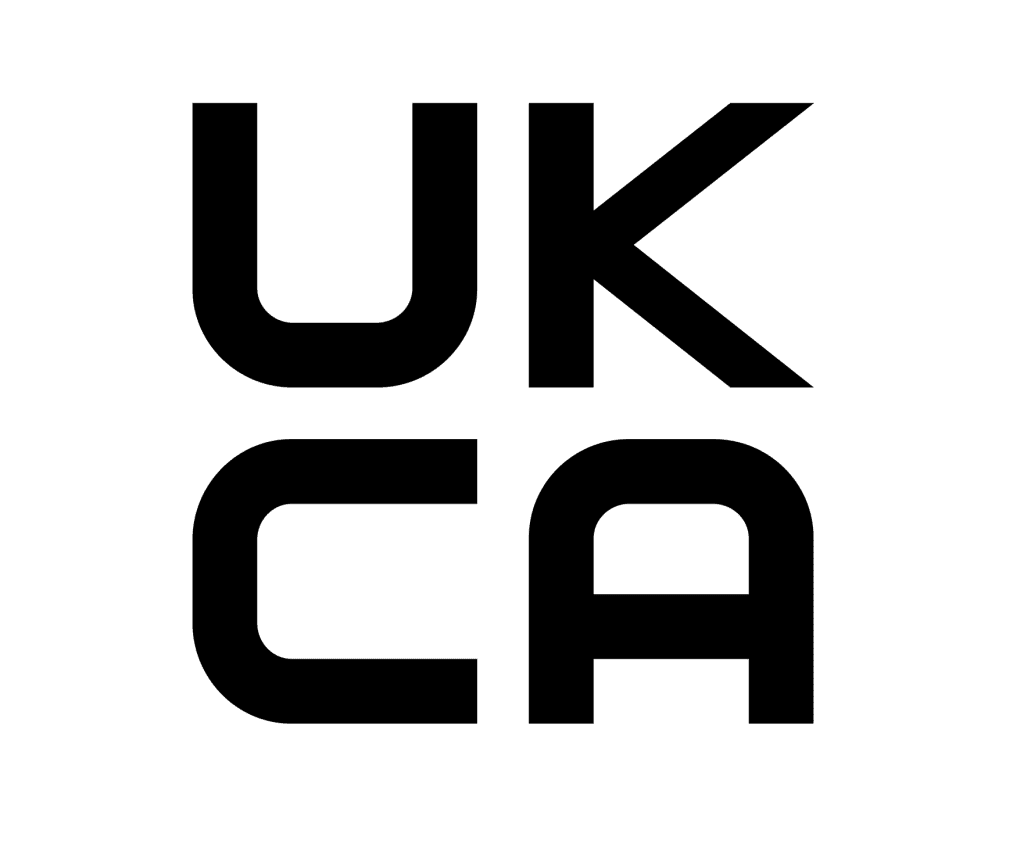
UKCA Marking was introduced after Brexit in 2020 and applies to products placed on the market in Great Britain (England, Scotland, and Wales), showing compliance with UK regulations. The UKCA marking follows UK law and involves UK Approved Bodies.
UKCA marking is specifically for products placed on the market in the United Kingdom, which includes England, Scotland, Wales, and Northern Ireland. It is used to demonstrate that a product meets UK regulatory standards.
There are a few rules that manufacturers need to remember when placing the CE and UKCA marks on their products.
According to the European Union official website, the following design requirements and placement must be complied with when using the CE mark:
CE Mark
- Both letters must have the same vertical dimension
- Minimum size: 5mm (unless product rules specify otherwise)
- If resized, proportions of the letters must be preserved
- the mark can appear in different styles (e.g. colour, solid, or hollow), as long as it remains clear
- Preferably affixed directly on the product but if not possible, marking can be placed on packaging or accompanying documents
- If the product falls under multiple EU rules, the documents must confirm compliance with all of them.
According to guidance published on the UK Government’s official website, these are rules that should be followed when using the UKCA image for documents or product marking:
UKCA Mark
- If you reduce or enlarge the size of your marking, the letters forming the UKCA marking must be proportion
- The UKCA marking is at least 5mm in height unless a different minimum dimension is specified in the relevant legislation
- The UKCA marking can take different forms (for example, the colour does not have to be solid), as long as it remains visible legible and maintains the required proportions.
CE marking and UKCA marking are not mutually exclusive, and it is acceptable to only have one marking but most products sold in Europe include both markings. While the technical requirements are largely similar, CE marking is governed by EU law and assessed by EU Notified Bodies, whereas The UKCA marking follows UK law and involves UK Approved Bodies. Products sold in both markets may require both markings.
Self-Certification or Third-Party Testing
Products may either be self-certified by the manufacturer or assessed by an independent third-party testing facility to confirm compliance with applicable standards and directives. For lower-risk products, self-certification is allowed however, the manufacturer remains fully responsible for ensuring that all relevant standards and directives are met. For higher-risk products, conformity assessment may require the involvement of a designated conformity assessment body before the product can be placed on the market. Compliance is not a one-time exercise but an ongoing obligation.
The CE marking and UKCA marking indicate that a product complies with applicable European Union or United Kingdom legislation relating to safety, health, and environmental protection. Where third-party assessment is required in the UK, conformity assessment bodies are generally accredited by the United Kingdom Accreditation Service (UKAS), which verifies their competence, impartiality, and adherence to internationally recognized standards. While UKAS does not certify products or issue CE or UKCA marks, its accreditation provides confidence that testing, inspection, or certification activities have been carried out by qualified and competent organizations. This accreditation structure reinforces the integrity of the conformity assessment process and enhances the credibility of CE and UKCA marking within regulated markets.
Although CE and UKCA markings do not typically require annual re-certification, manufacturers must continuously monitor updates to applicable standards and regulations to ensure continued conformity.
Importance of the CE and UKCA Markings
Legal Compliance
CE is mandatory for the EU/EEA market and UKCA is mandatory for Great Britain.
User Safety & Risk Reduction
Confirms the product has undergone conformity assessment and risk analysis.
Market Access
Required for selling products in their respective regions.
Credibility & Brand Reputation
Signals quality, reliability, and adherence to international safety standards.
Competitive Advantage
Products with CE/UKCA markings are often preferred in global markets.
Certified Lasermet Products
Lasermet products have a CE and UKCA marking, ensuring compliance with standards and directives. The interlock controller, enclosures and curtains all have labels attached containing these markings.
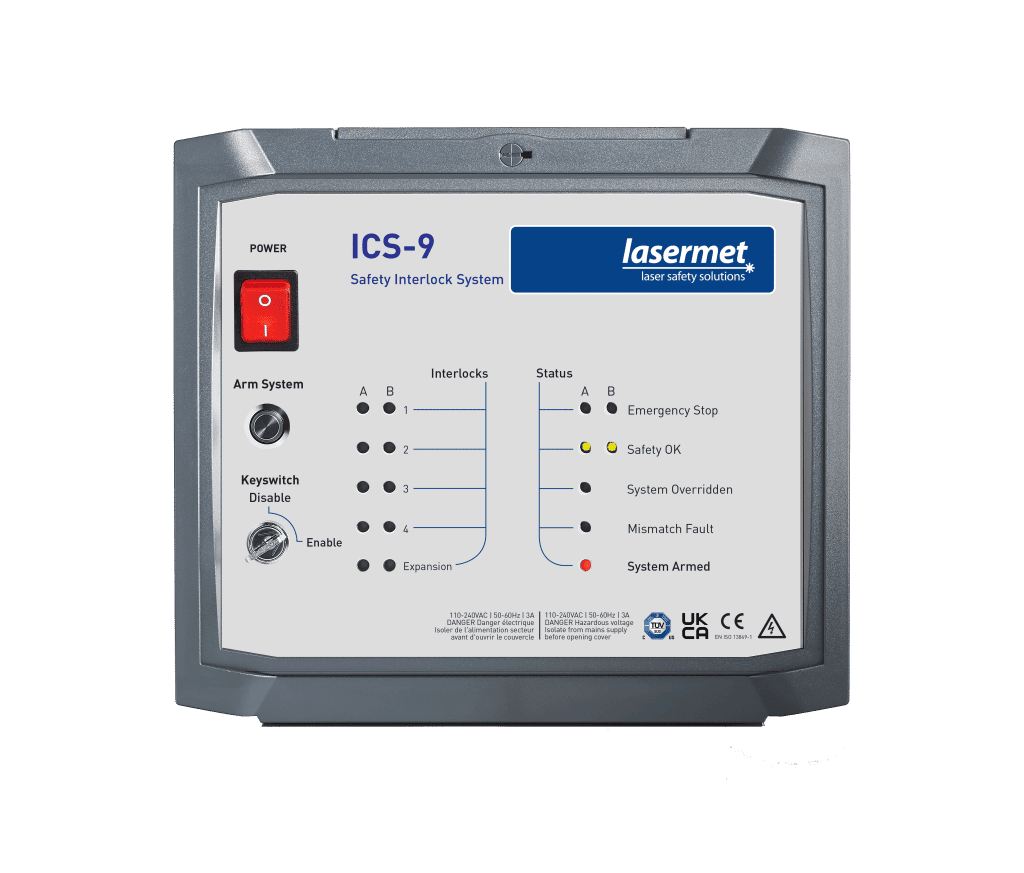
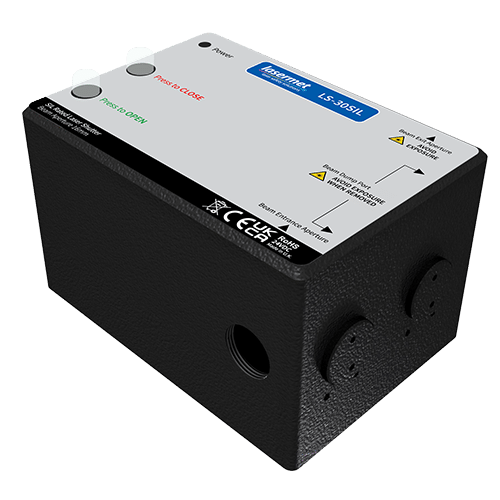

Lasermet has a group of experts that stays up to date with the changes or amendments to the standard and directives that apply to Lasermet products, making sure that any changes needed are applied to stay compliant with CE and UKCA marking requirements.
CE and UKCA Marking in the American Market
We know now the significance of the CE and UKCA markings around Europe and Great Britain BUT what if you want to export your products to the United States? What significance can the CE and UKCA mark hold in the American market?
CE and UKCA markings are not legally required in the United States, but they still carry strategic importance in the international market, CE marking shows compliance with European safety, health, and environmental standards, while UKCA applies to Great Britain. Although U.S. regulators such as Food and Drug Administration (for medical devices) or Occupational Safety and Health Administration (for workplace safety) do not recognize CE or UKCA as automatic approval, these markings demonstrates that the product has undergone structured conformity assessment, risk analysis, and testing.
Advantages of the CE and UKCA marking in the American Market
The CE and UKCA markings enhance a product’s market viability and credibility by demonstrating compliance with recognized safety, health, and environmental standards. These marks signal to regulators, distributors, and consumers that the product meets established regulatory requirements.
Compliance with CE and UKCA marking requirements should be viewed as an ongoing process rather than a one-time obligation. Although these markings do not generally require annual re-certification, manufacturers must remain vigilant in monitoring updates to applicable legislation and standards. Maintaining up-to-date compliance ensures that products continue to meet current regulatory expectations and uphold safety and quality in the market.
This article is intended for educational purposes only and should not be considered a formal reference or regulatory standard. For detailed guidance, official requirements, and the latest updates on CE and UKCA marking, please consult the relevant regulatory authorities and standards documents.