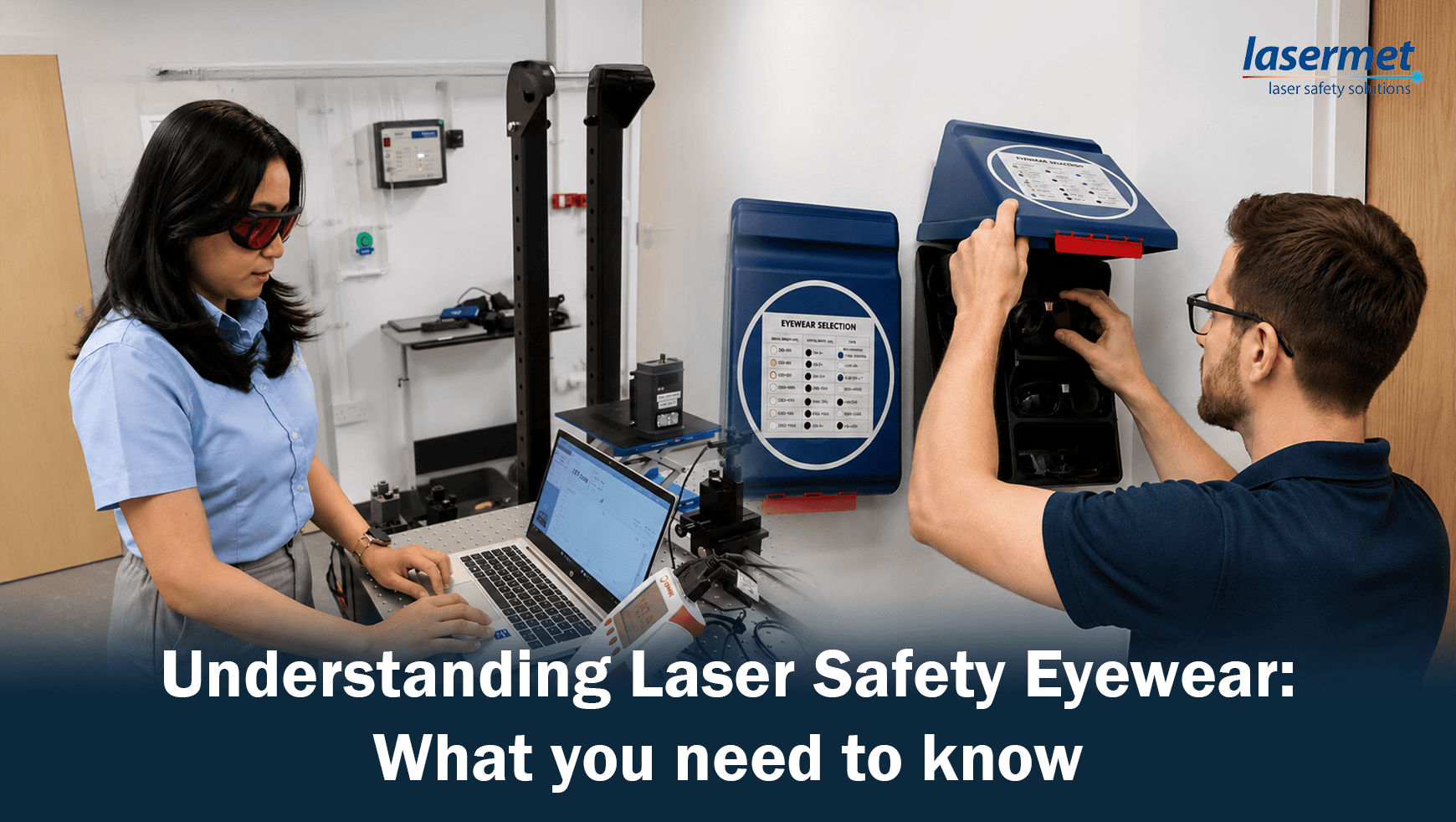
Laser safety eyewear is one of the most important forms of personal protective equipment (PPE) when working with or around lasers. The eyes are particularly vulnerable to hazardous laser radiation even a brief exposure can cause serious and potentially permanent injury. Depending on the wavelength of the laser, radiation may affect different structures of the eye, resulting in injuries such as retinal or corneal burns and, in severe cases, permanent vision impairment. Because some laser wavelengths are invisible and exposure can occur before a person is aware of the hazard, appropriate eye protection is essential when working in environments where hazardous laser radiation may be present.
Selecting the correct laser safety eyewear involves more than simply choosing a pair of protective glasses or goggles. Laser eyewear is specified according to several technical factors that determine its suitability for a particular laser and application. Understanding these terms is important when evaluating and selecting the appropriate level of eye protection.
Here are some key terms to remember when discussing or selecting laser safety eyewear:
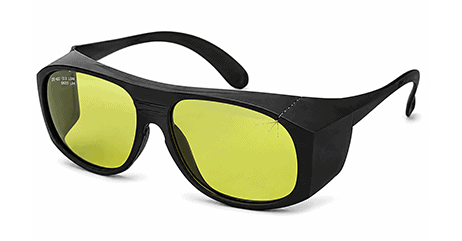
It refers to the percentage of visible light that can pass through the laser safety eyewear lens. A higher VLT allows more visible light to pass through, making the eyewear appear brighter and improving visibility for the user. Lower VLT values result in darker lenses, which may provide greater protection at certain wavelengths but can reduce visibility and comfort during use.
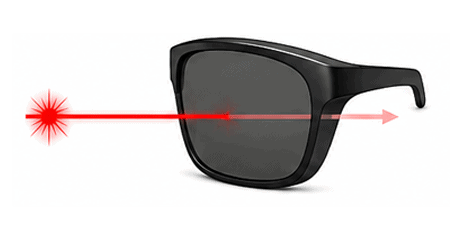
It is a measurement that indicates how effectively laser safety eyewear reduces laser radiation at a specific wavelength. Higher OD values provides higher protection against laser exposure. The required OD depends on the laser wavelength, power, exposure duration, and operating conditions.
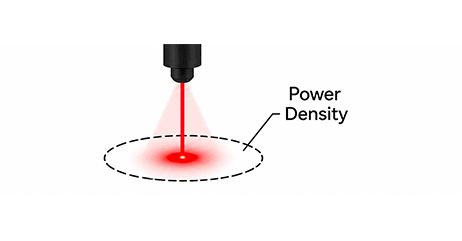
Power Density refers to the amount of laser power distributed over a given area. In laser safety applications, power density is important because it determines the intensity of laser exposure on the eyewear or tissue. Higher power densities generally require higher levels of protection and more robust laser safety eyewear.
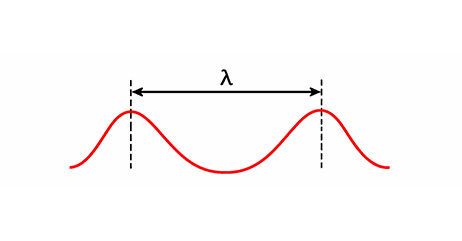
Laser Wavelength is the specific distance between successive peaks of a laser wave, typically measured in nanometres (nm). Laser safety eyewear must be selected according to the exact wavelength or wavelength range of the laser being used. Different laser wavelengths interact differently with materials and the human eye.
Damage Threshold is the maximum laser energy or power that the eyewear material can withstand before degradation or failure occurs. Exceeding the damage threshold may reduce the effectiveness of the eyewear and compromise user safety.
Laser Safety Eyewear Standards
When selecting a proper eyewear, there are standards that manufacturers follow to know the appropriate eyewear. The standards were created to ensure safety for personnel when handling hazardous lasers. The following are the most commonly used laser safety eyewear standards.
EN 207
European standard for laser protective eyewear designed to protect against accidental laser exposure. It specifies requirements, testing and marking of laser filters and eyewear, with protection expressed using LB ratings for specified wavelengths and laser operating modes.
EN 208
European standard for eyewear used during laser adjustment and alignment work. The eyewear reduces laser radiation while maintaining sufficient visibility for alignment tasks and is tested and marked specifically for this application.
ANSI Z136
The primary US standard for the safe use of lasers. It covers laser hazard evaluation and control, including MPEs, hazard zones and protective measures. For eyewear, it provides guidance for determining the required Optical Density (OD) and other selection factors.
ANSI Z87.1
US standard for occupational and educational eye and face protection. It specifies performance, testing and marking requirements for applicable workplace hazards. It is not laser-specific, so Z87.1 compliance alone does not establish adequate laser protection. However, it can help when selecting appropriate laser safety eyewear by confirming that the eyewear meets relevant general eye and face protection requirements.
In UK and Europe, EN 207 and EN 208 are commonly followed for laser safety eyewear, while ANSI Z136 guidance is typically used in the USA
Check out the Official website to learn more about the standards – EUROPEAN STANDARDS STORE AND ANSI WEBSTORE/ LASER INSTITUTE OF AMERICA
Things to Consider When Selecting a Laser Safety Eyewear
Selecting the correct laser safety eyewear involves more than simply choosing a pair of protective glasses or goggles. Laser eyewear is specified according to several technical factors that determine its suitability for a particular laser and application.
1
Eyewear is suitable for the required wavelength of the laser and optical density for the wavelength
Depending on the wavelength of the laser you are using it is important to choose the proper eyewear.
2
Eyewear should have the highest possible visible light transmission (VLT)
Sometimes even when we’ve selected the appropriate eyewear, we cannot see once we wear them!
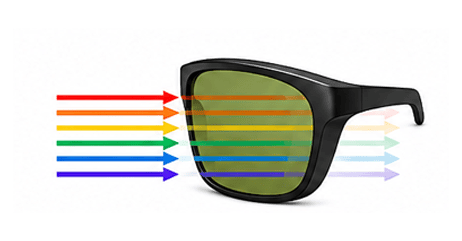
For some wavelengths such as UV (180-400nm) and Carbon Dioxide (10,600nm) the filters in laser eyewear are clear, therefore seeing (or visibility) with laser goggles on is not a problem. For visible wavelengths (400-700nm) and infrared (700nm +) the filters may be tinted. The tint comes from dyes that absorb the desired wavelength of light. These tints and their concentration can obscure visible light and affect visibility.
3
Eyewear must be suitable for the task to be done and lighting conditions of the work area
Selecting eyewear isn’t just about OD, wavelength, and VLT you need to understand and assess the situation in which the laser is being used, for example is the room well lit? Does the lighting in the laser area need to be darkened? If the room lighting is dim for experimental or process reasons, even a VLT of 30% may present safety issues.
Care must also be taken to ensure that any tinted filter does not block wording or instructions on warning signs, notices or operating panels.
4
Eyewear must fit properly
You cannot underestimate the importance of fit!
Even with all of the above considered, if the eyewear doesn’t fit properly, it will not only fail to give proper protection but there is also risk that the user will not wear it.
Consult with a Laser Safety Officer to ensure proper eyewear is selected. Do annual checks to make sure all eyewear is still suited for its intended use.
Laser Safety Eyewear Maintenance
Cleaning and Inspection
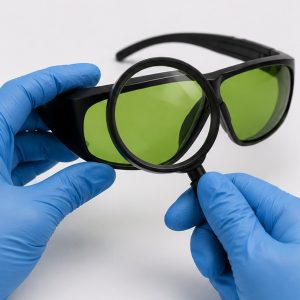
Make sure to inspect your eyewear before and after use to make sure nothing is cracked or broken.
Inspect the frame – Are there any breaks or are they in good working condition?
Inspect the lenses, make sure there is no cracking or pitting
Inspect the band, if you have a google style eyewear, make sure the band still works well and is not loose when worn.
Eyewear Care and Storage
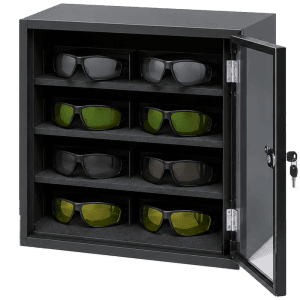
Store your eyewear in a safe place when they are not in use.
If you have multiple lasers and multiple users, then storing your eyewear properly is critical to ensure that the correct pair is chosen for the work that needs to be done.
Laser safety eyewear plays an essential role in protecting personnel from the potentially serious and irreversible effects of hazardous laser exposure. Effective protection, however, depends on more than simply wearing safety eyewear. The eyewear must be appropriate for the laser wavelength and required level of protection, comply with applicable laser safety standards, fit the user correctly, and remain in good condition. Regular inspection, proper cleaning, and appropriate storage are equally important to ensure that its protective performance is maintained throughout its service life.
By understanding the key characteristics, standards, selection requirements, and maintenance of laser safety eyewear, users can make informed decisions and help maintain a safer working environment wherever hazardous laser systems are used.
This article is intended for educational purposes only and should not be considered a formal reference. For detailed guidance on laser safety eyewear, please consult a laser safety officer or relevant regulatory authorities.