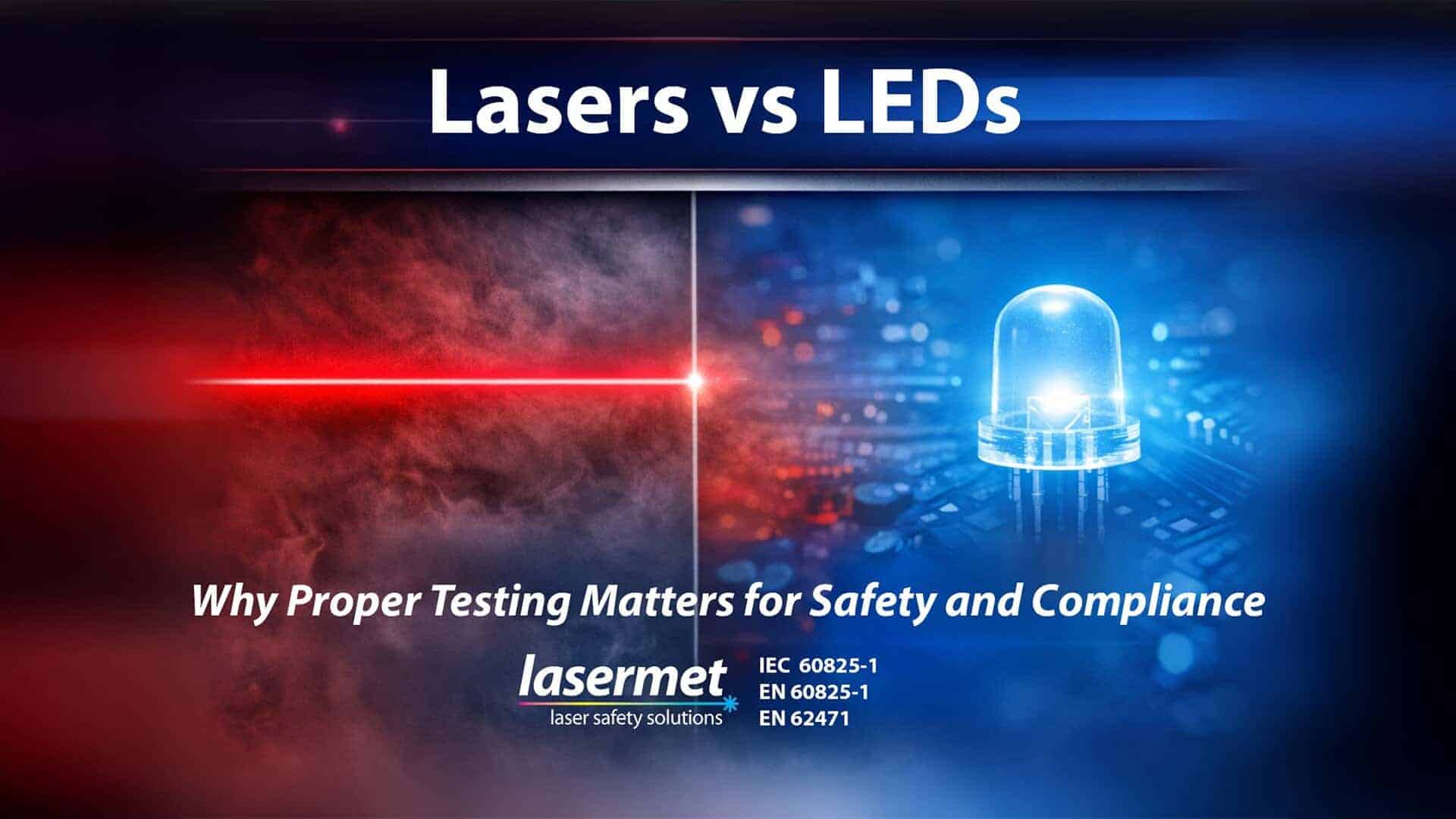
Laser und LEDs emittieren beide optische Strahlung, unterscheiden sich jedoch erheblich in ihren Emissionseigenschaften, ihrem Gefährdungspotenzial und ihren Prüfanforderungen. Diese Unterschiede beeinflussen direkt, wie Licht mit Menschen und Materialien interagiert und wie Produkte hinsichtlich ihrer Konformität bewertet werden müssen.
Da optische Technologien zunehmend in medizinischen, industriellen und Verbraucheranwendungen eingesetzt werden, sind Laserprüfungen und photobiologische Bewertungen unerlässlich. Normen wie IEC 60825-1, EN 60825-1 und EN 62471 stellen sicher, dass Produkte die internationalen Sicherheitsanforderungen erfüllen.
Verständnis des optischen Spektrums
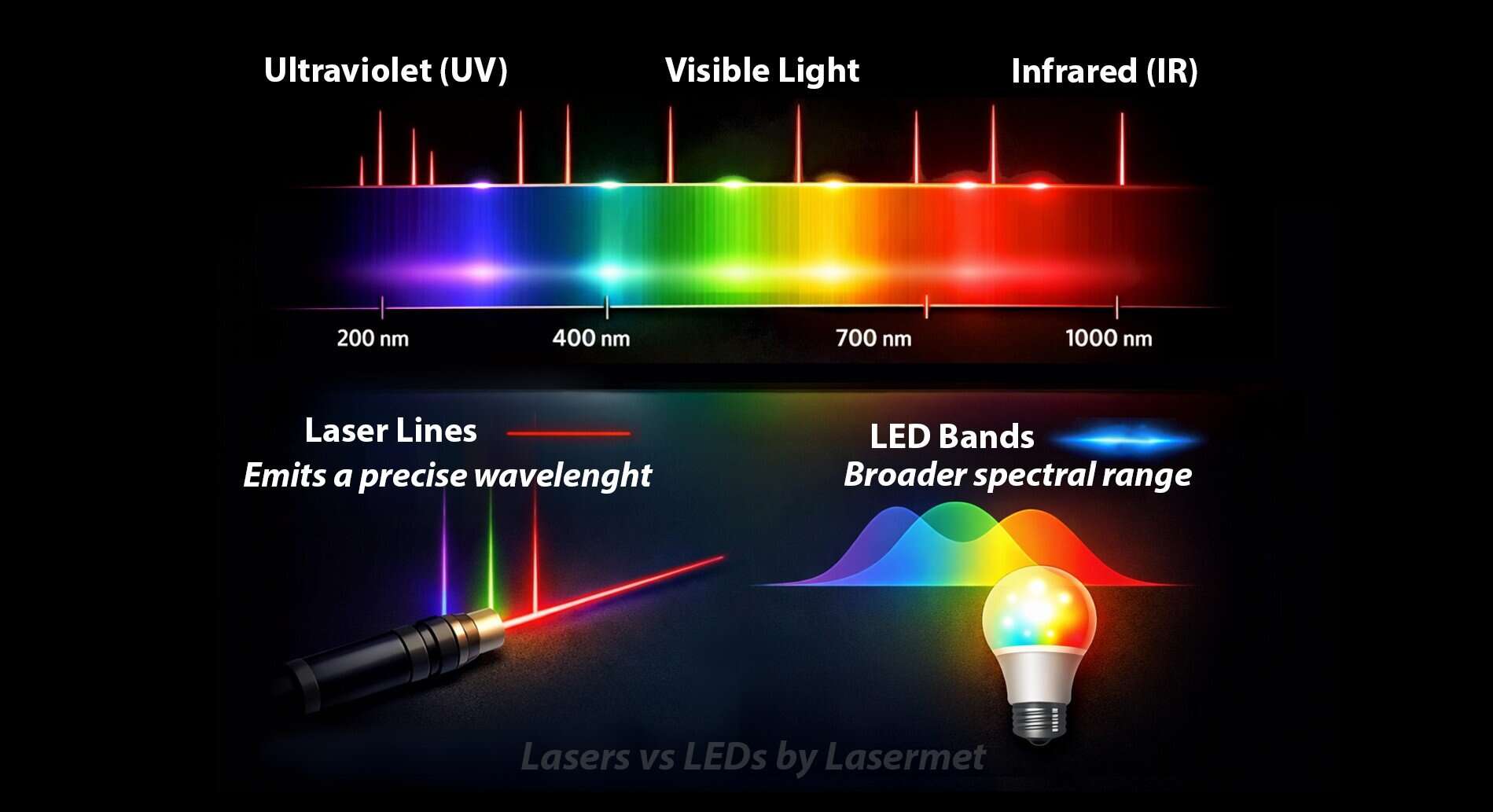
Optische Strahlung umfasst ein breites Spektrum – von Ultraviolett (UV) über sichtbares Licht (VIS) bis hin zu Infrarot (IR). Sowohl Laser als auch LEDs arbeiten in diesen Bereichen, unterscheiden sich jedoch deutlich darin, wie sie Energie über die Wellenlängen hinweg emittieren.
Laser emittieren typischerweise bei spezifischen, diskreten Wellenlängen, die im Spektrum als schmale Linien dargestellt werden können. LEDs hingegen senden Strahlung über breitere Wellenlängenbereiche aus und decken häufig große Teile des sichtbaren Spektrums ab.
Die Physik hinter der Lichtemission
Obwohl Laser und LEDs auf den ersten Blick ähnlich erscheinen, da sie beide Licht emittieren, unterscheiden sich die zugrunde liegenden physikalischen Prinzipien grundlegend – und das hat direkte Auswirkungen auf die Sicherheit.
LASER – Light Amplification by Stimulated Emission of Radiation
LED – Light Emitting Diode
Wie Laser Licht erzeugen
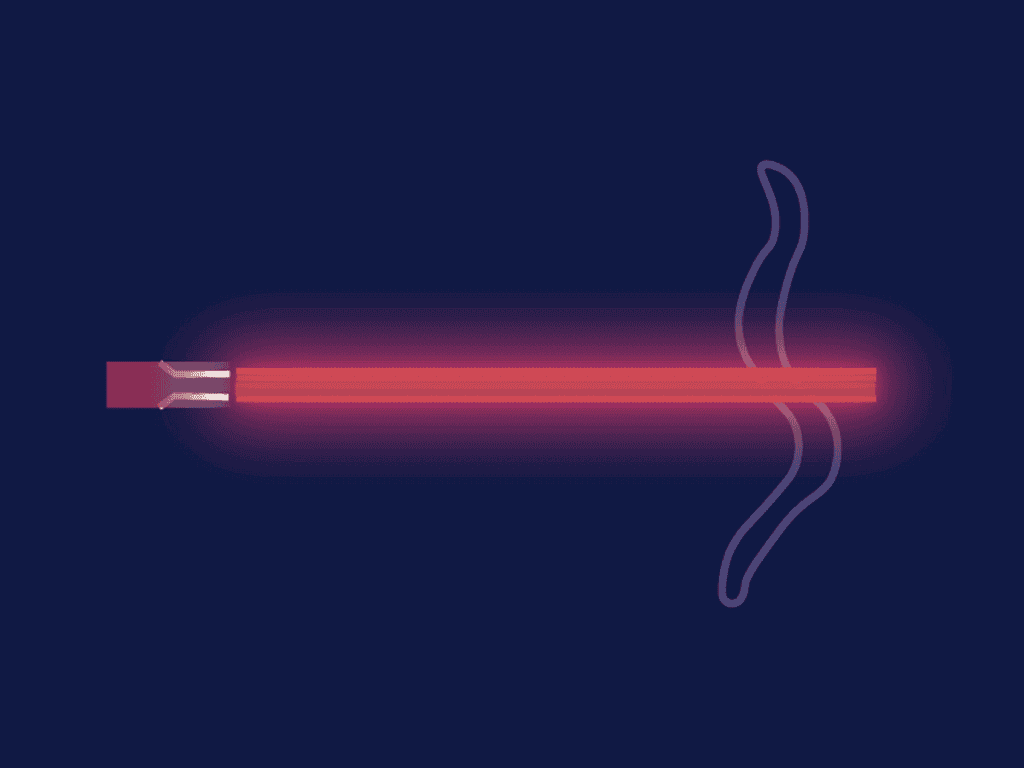
Ein Laser emittiert eine präzise Wellenlänge und erzeugt Licht durch einen Prozess, der als stimulierte Emission bezeichnet wird. Dies führt zu einem Strahl mit folgenden Eigenschaften:
- Stark kollimiert (breitet sich als schmaler, fokussierter Strahl aus)
- Kohärent (die Wellen sind phasengleich)
- Häufig monochromatisch (eine einzelne Wellenlänge)
Da Laserlicht über große Entfernungen konzentriert bleibt, können selbst Laser mit relativ geringer Leistung eine ernsthafte Gefahr für Augen und Haut darstellen. Ein fokussierter Strahl kann in sehr kurzer Zeit eine große Energiemenge auf eine sehr kleine Fläche übertragen.
Aus diesem Grund müssen Laserprodukte gemäß IEC 60825-1 klassifiziert werden, mit strengen Anforderungen an die Gefährdungsbewertung.
Wie Laser Licht erzeugen
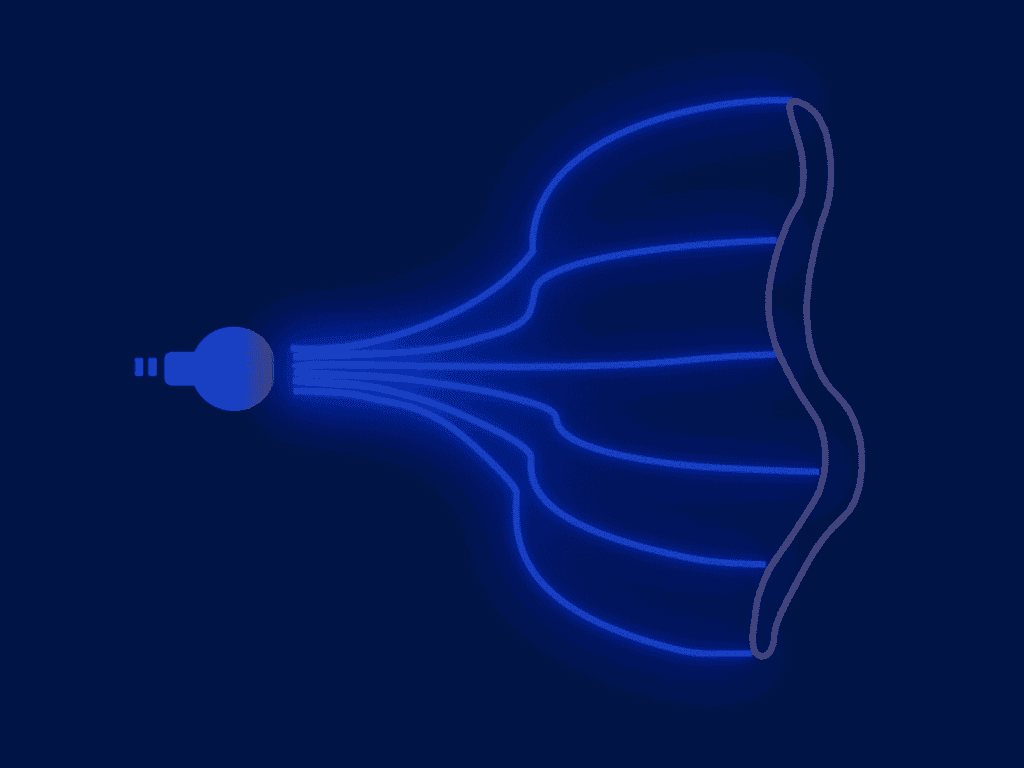
LEDs generate light through electroluminescence, where eLEDs erzeugen Licht durch Elektrolumineszenz, bei der Elektronen in einem Halbleitermaterial rekombinieren und dabei Energie in Form von Licht freisetzen. Im Gegensatz zu Lasern ist LED-Licht:
- Inkohärent
- Breitbandig (oft mehrere Wellenlängen)
- Stark divergierend (breitet sich schnell aus)
Auf den ersten Blick erscheinen LEDs daher als grundsätzlich sicher. Moderne LEDs – insbesondere hochintensive blaue und weiße LEDs – können jedoch dennoch Risiken darstellen, insbesondere für die Augen.
Diese Gefährdungen werden durch die Norm EN 62471 bewertet, die unter anderem folgende Risiken berücksichtigt:
- Blaulichtgefährdung der Netzhaut
- Thermische Netzhautgefährdung
- Infrarot- und UV-Exposition
Daher ist auch für LEDs eine entsprechende sicherheitstechnische Prüfung erforderlich.
Viele Hochleistungslaser arbeiten im Infrarotbereich, wodurch sie für das menschliche Auge unsichtbar sind, jedoch dennoch schwere Netzhautschäden verursachen können.
Arten optischer Strahlungsgefährdungen
Die Gefährdungen durch optische Strahlung hängen stark von der Wellenlänge ab, da verschiedene Bereiche des Spektrums unterschiedlich mit menschlichem Gewebe und Materialien interagieren. Das Verständnis dieser wellenlängenabhängigen Effekte ist entscheidend für eine präzise Laserprüfung und Gefährdungsklassifizierung.
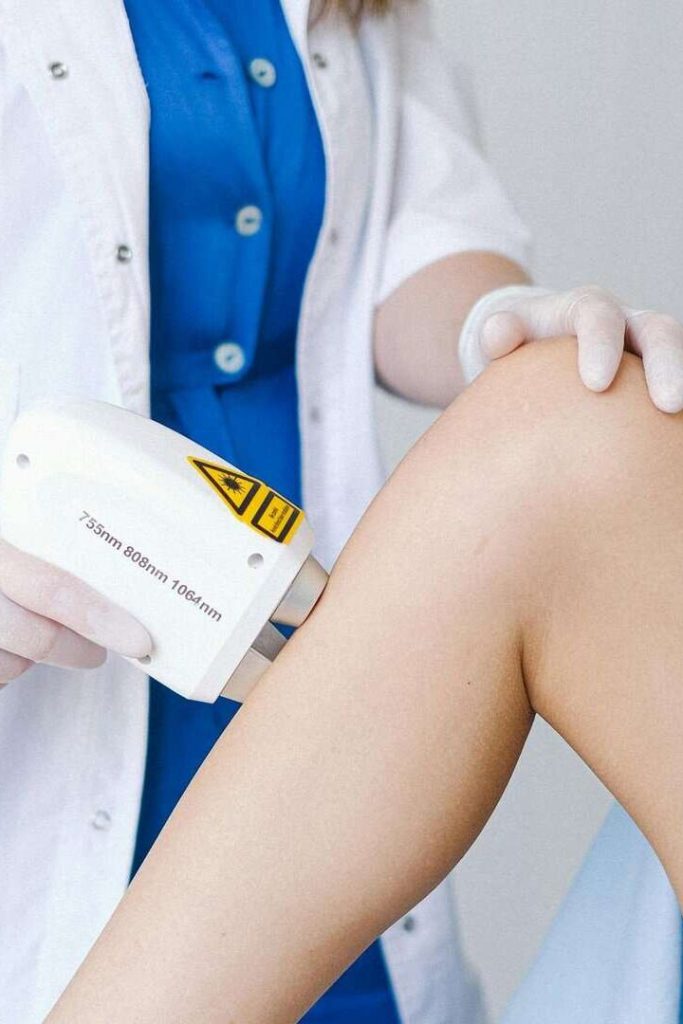
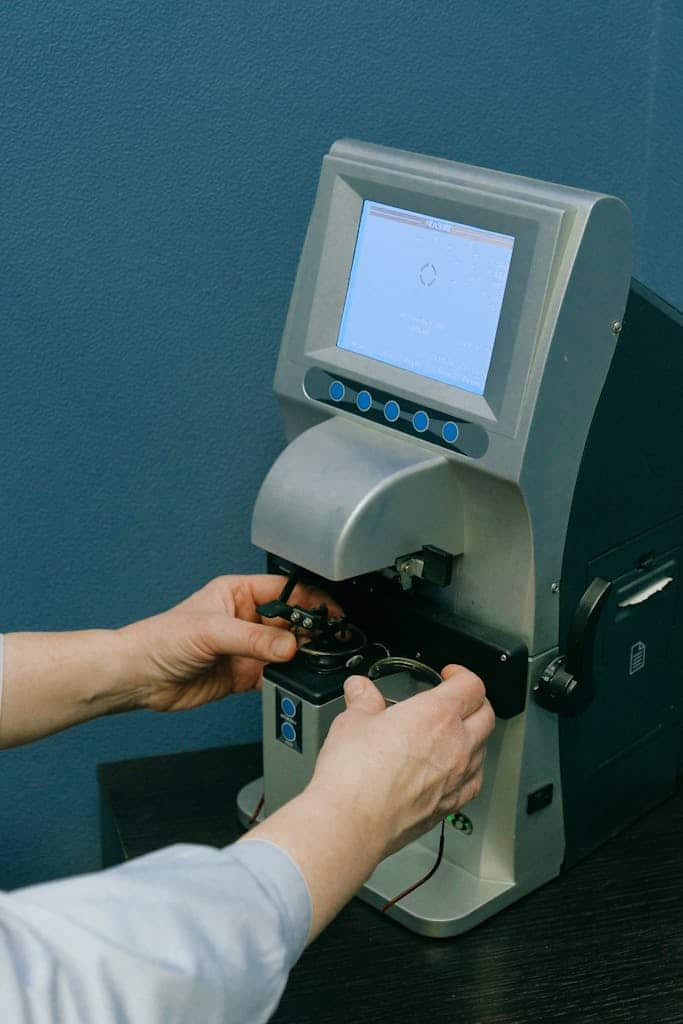
| AUGE |
|---|
| Photokeratitis UV-C / UV-B (100–315 nm) |
| Blue Light Retinal Hazard Blue Light (400–500 nm) |
| Retinal Burns Visible / Near-IR (400–1400 nm) |
| Thermal Retinal Injury Near-IR (700–1400 nm) |
| HAUT |
|---|
| Erythema (Skin Reddening) UV (100–400 nm) |
| Photochemical Skin Damage UV-A / UV-B (315–400 nm) |
| Thermal Skin Burns Visible / Near-IR (400–1400 nm) |
| Deep Tissue Heating Infrared (700 nm – 1 mm) |
| MASCHINEN |
|---|
| Photodegradation UV (100–400 nm) |
| Surface Discoloration / Aging UV-A / Visible (315–700 nm) |
| Sensor / Camera Damage Visible / Near-IR (400–1400 nm) |
| Thermal Damage / Warping Infrared (700 nm – 1 mm) |
Laser- und LED-Prüfung: Sicherheit gewährleisten mit Lasermet
Das Verständnis der Gefährdungen durch optische Strahlung ist nur der erste Schritt. Eine sachgerechte Bewertung und Prüfung sind entscheidend, um eine sichere Anwendung in medizinischen, industriellen und Verbraucherbereichen zu gewährleisten. Genau hier kommt Lasermet ins Spiel.
Lasermet ist der einzige im Vereinigten Königreich von UKAS akkreditierte Anbieter für Laserprüfungen nach IEC 60825-1 und LED-Prüfungen nach EN 62471.
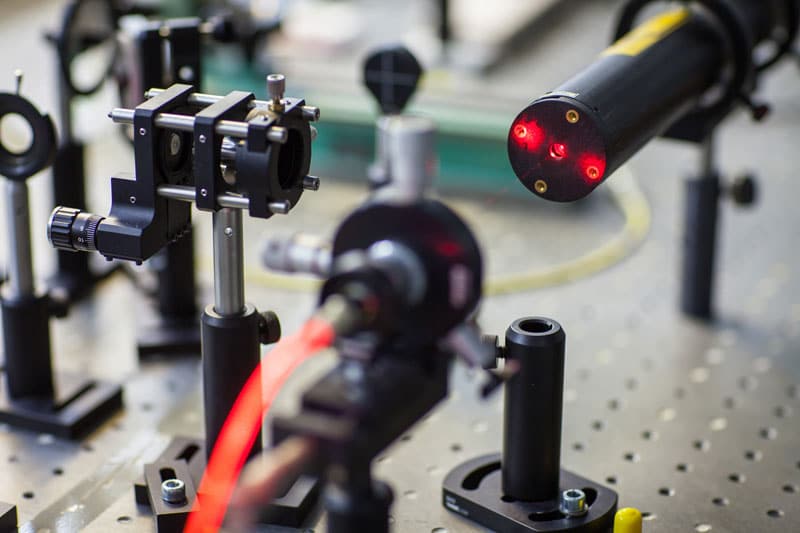
Lasermet führt umfassende Laserprüfungen gemäß IEC 60825-1 durch, der internationalen Norm zur Messung, Klassifizierung und Kontrolle von Laserprodukten.
Die Prüfungen von Lasermet bewerten dabei kritische Parameter, darunter:
- Ausgangsleistung und Energie
- Strahldurchmesser und Divergenz
- Wellenlänge
- Expositionsdauer
- Zugängliche Emissionsgrenzwerte (AELs)
Diese Messungen bestimmen die Laserklasse (Klasse 1–4) sowie die erforderlichen Sicherheitsmaßnahmen – von Kennzeichnung und Verriegelungen bis hin zu Schutzmaßnahmen.
Mit Lasermet erhalten Hersteller präzise, wiederholbare und rückführbare Ergebnisse, um die Konformität sicherzustellen und Risiken zu minimieren.
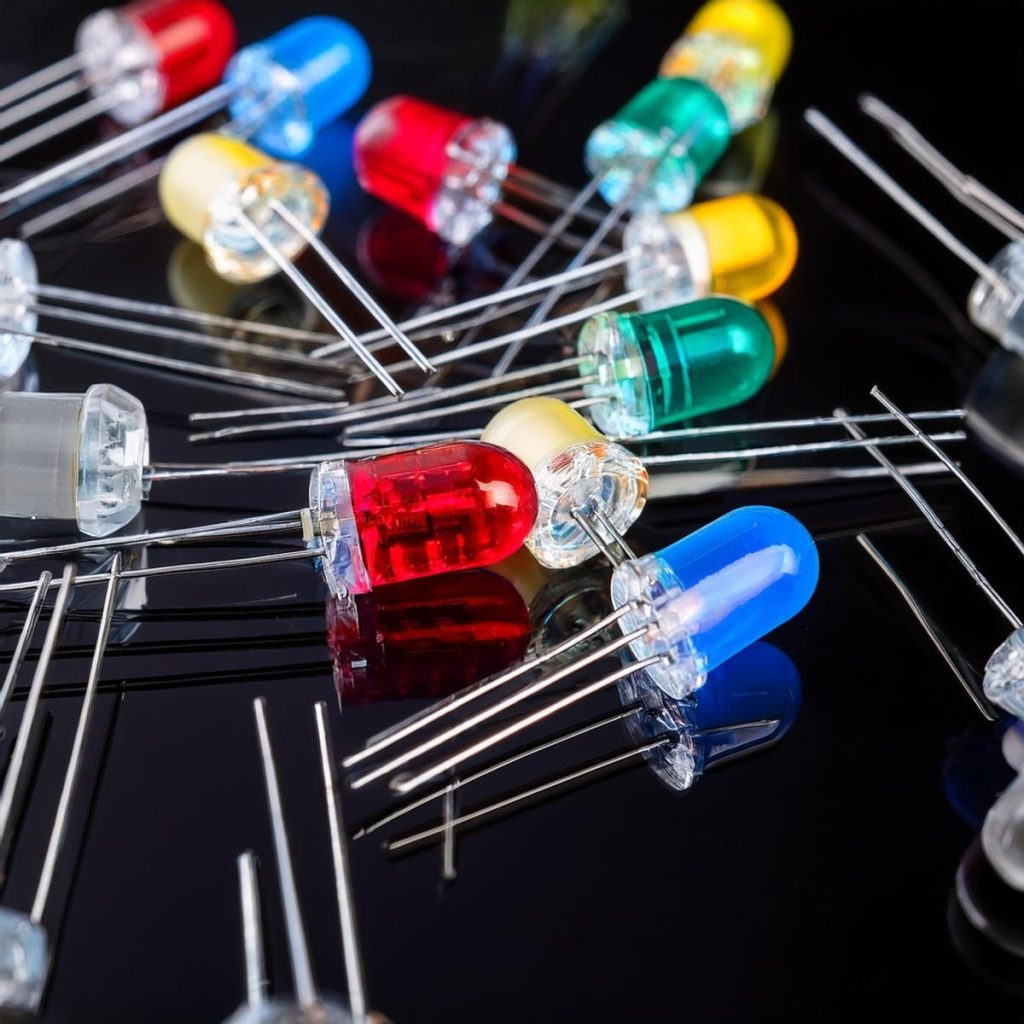
Hochleistungs-LEDs, insbesondere blaue und weiße LEDs, können Gefährdungen für die Netzhaut sowie thermische Risiken darstellen. Lasermet bietet fachkundige Prüfungen gemäß EN 62471 und bewertet dabei:
- Strahldichte (Radiance) und Bestrahlungsstärke (Irradiance)
- Spektrale Verteilung
- Expositionsbedingungen
- Blaulicht- und thermische Gefährdungen
Produkte werden basierend auf ihrem Gefährdungspotenzial in Risikogruppen (Exempt bis RG3) eingestuft. Durch die Kombination aus präzisen Messungen und fachkundiger Interpretation stellt Lasermet sicher, dass selbst breitbandige Lichtquellen…ards.
Denn präzise Prüfungen erfordern nachgewiesene Fachkompetenz.
Laser und LEDs unterscheiden sich nicht nur in der Art, wie sie Licht emittieren, sondern auch darin, wie sie mit dem menschlichen Auge, der Haut und Materialien interagieren. Eine präzise Prüfung und Klassifizierung sind entscheidend, um Gefährdungen zu vermeiden und regulatorische Anforderungen zu erfüllen.
Bereit, Konformität und Qualität sicherzustellen?
Arbeiten Sie mit Lasermet zusammen – dem einzigen von UKAS akkreditierten Prüflabor im Vereinigten Königreich für Laserprüfungen nach IEC 60825-1 und LED-Prüfungen nach EN 62471 – und erzielen Sie präzise, zuverlässige und weltweit konforme Ergebnisse.
Disclaimer: This article is intended for informational purposes only. While every effort has been made to ensure the accuracy of the content based on the IEC 60825-1 standard and related resources, we make no representations or warranties, express or implied, regarding the completeness, accuracy, or applicability of the information provided. This content does not constitute legal or regulatory advice. Readers are advised to consult the relevant standards documentation and seek professional guidance to ensure full compliance with applicable regulatory requirements. We disclaim any liability for decisions made or actions taken based on the information contained herein.